
Physiotherapy for hip pain in Edinburgh
Don’t let hip stiffness or discomfort dictate your mobility and quality of life
Our clinicians provide expert, evidence-based Physiotherapy to help you move freely and return to the activities you love without pain.

Is our hip pain clinic right for you?
If you are struggling with a deep ache in the groin, sharp pain when walking, or stiffness that makes putting on socks a challenge, we are here to help. Our clinic is designed for those who want to move beyond temporary relief and achieve long-term joint health.
You should book an assessment if you are experiencing:
-
Persistent Stiffness: Difficulty getting out of a car or tying your laces due to restricted hip mobility.
-
Activity-Related Pain: Discomfort that flares up during or after walking, running, or playing sports.
-
Night-Time Aching: Pain that prevents you from getting comfortable or wakes you up when lying on your side.
-
Functional Limitations: A feeling of weakness or “giving way” in the hip that affects your balance and confidence.

Why Edinburgh chooses Health by Science
We provide a modern, movement-focused alternative to traditional clinical settings.
Integrated care
Access to expert Physiotherapy and Personal Training under one roof to support rehabilitation and long-term performance.
Evidence-led approaches
We use the latest clinical research to guide your rehabilitation.
Long-term solutions
We don’t just treat symptoms; we address the root cause to prevent recurrence.
Expert clinicians
Work with registered clinicians who understand how the hip, pelvis and lower back work together.
Real outcomes from physiotherapy
Many people searching for Physiotherapy Edinburgh choose Health by Science for clear diagnosis and structured rehabilitation.
Virtually eliminated my sciatica
I attended for help with sciatica and long-term back problems. The assessment was thorough and grounded in clear scientific explanation. I received focused advice and a detailed follow-up email outlining my exercises. The outcome has been very favourable — my sciatica is virtually eliminated.
— Melvyn C
Reviewed on Google
Clarity after months of confusion
After months of conflicting advice for my knee, this was the first comprehensive review that truly made sense. I finally understood what was going on and what I should and shouldn’t be doing. It gave me hope and a structured way forward.
— Laura B
Reviewed on Google
Thorough post-surgery rehab
Following shoulder surgery, the assessment was comprehensive and reassuring. I left with a clear rehabilitation plan and complete confidence in the next steps. Everything was explained in detail and tailored to my recovery.
— D Millar
Reviewed on Google
Huge strides after switching
After six months of little progress elsewhere, I saw real improvements within days of my first appointment here. The assessment was detailed, the plan was clear, and support was available between sessions. Professional and genuinely invested in my recovery.
— Dave W
Reviewed on Google
Explained clearly and confidently
I had an initial assessment for knee discomfort and everything was explained in a clear and reassuring way. The exercises have already helped me feel more stable and confident with movement. Professional, welcoming and well organised.
— Chenxi L
Reviewed on Google
Finally on the road to recovery
The assessment was thorough and respectful. My concerns were listened to carefully and I was given a comprehensive plan that made complete sense. I finally feel like I’m moving in the right direction.
— Anthony S
Reviewed on Google
Your initial hip pain assessment
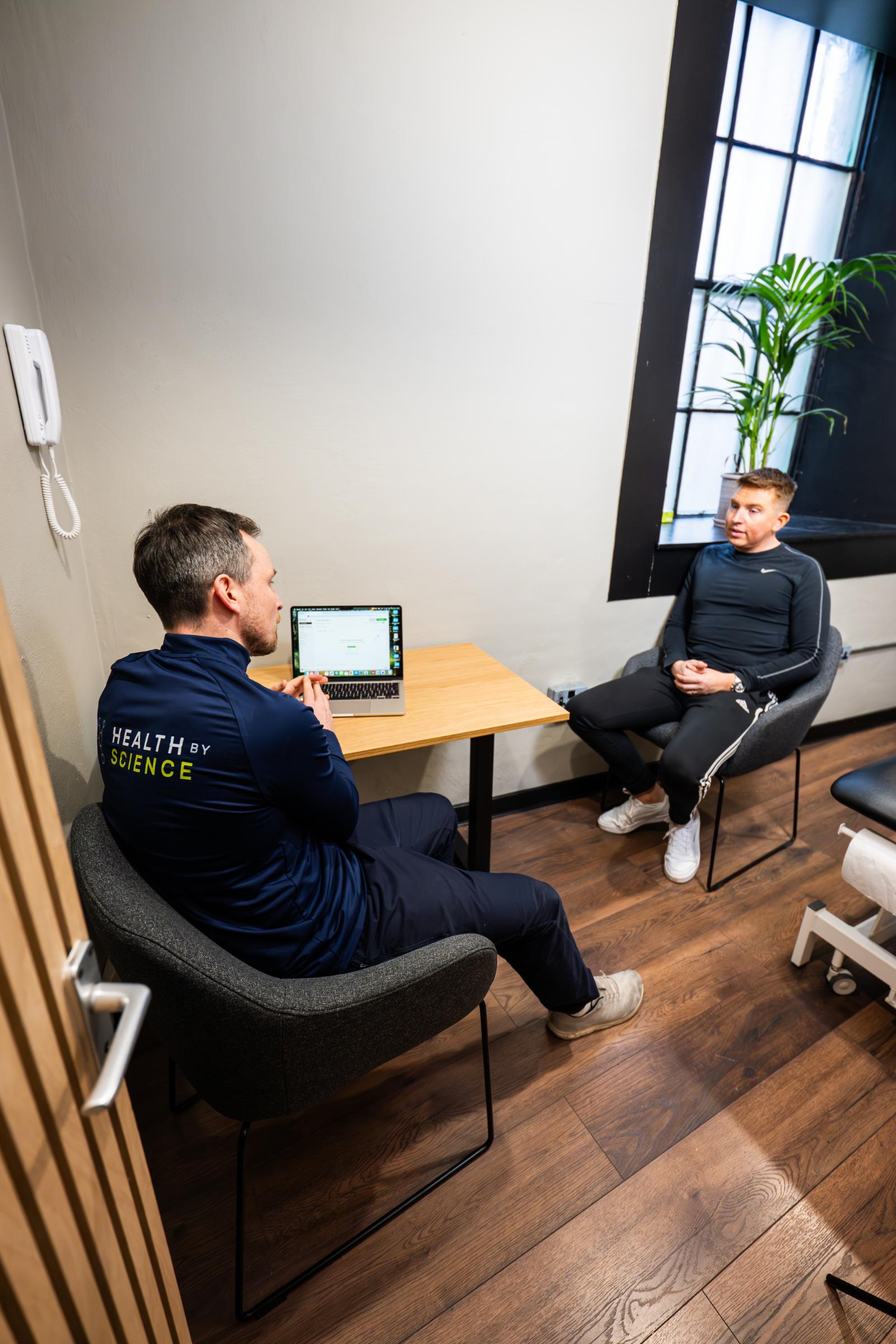
During your first visit, we perform a deep dive into your symptoms and physical function to create a clear roadmap for your recovery.
During this session, we focus on:
-
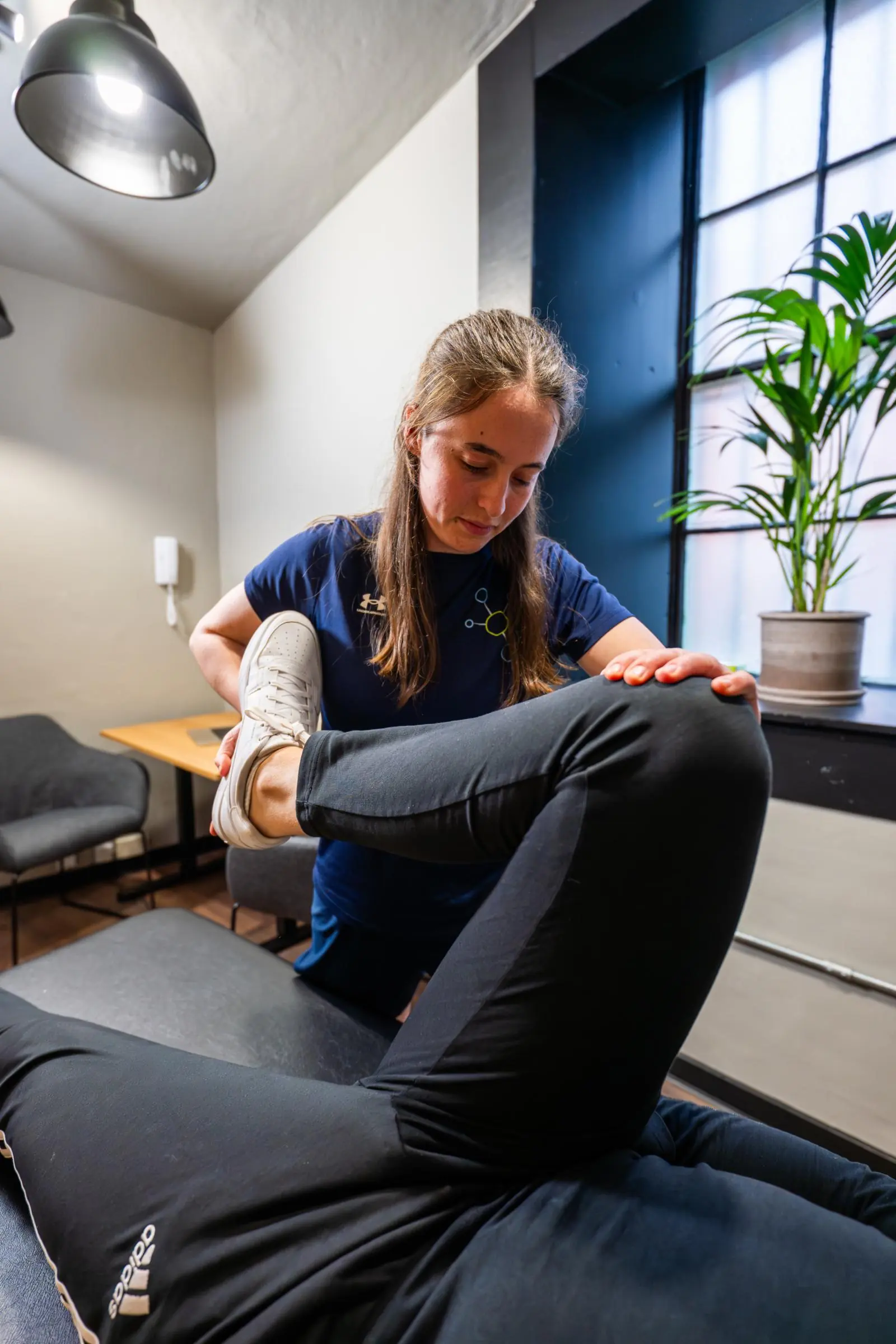
Comprehensive movement analysis: We assess hip mobility, gait and strength patterns using clinical testing and our Movement MOT assessment where appropriate.
-
Clear Diagnosis: We explain exactly what is causing your pain in plain, jargon-free English.
-
Bespoke Recovery Plan: You will leave with a clear strategy and immediate steps to begin reducing your discomfort.
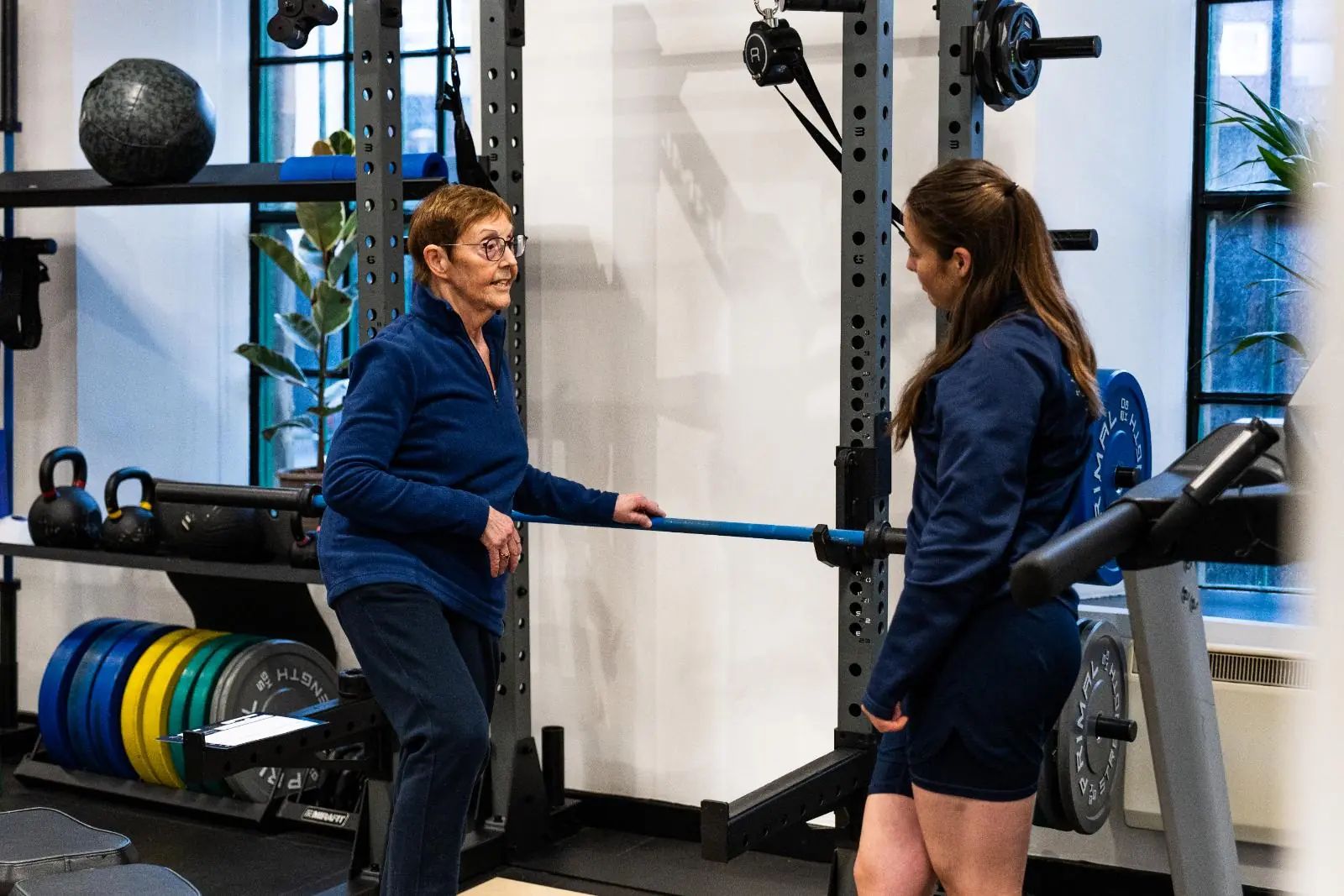
Our 4-step hip recovery process
Detailed assessment
Identifying the mechanical or lifestyle factors contributing to your hip pain.
Symptom management
Using Sports Massage alongside education to reduce pain and improve immediate hip mobility.
Strength & loading
Building the resilience of the glutes and hip stabilisers to support the joint effectively.
Performance & maintenance
Transitioning back to full activity with a long-term plan to keep you moving pain-free.
Visit our Leith clinic
Located in the heart of Leith, our Edinburgh physiotherapy clinic offers a welcoming environment equipped for modern rehabilitation.

Simple, transparent pricing
Initial Physiotherapy Assessment - £70
- Full clinical and movement assessment
- Clear diagnosis explained in plain English
- Structured rehabilitation plan
Follow-up Physiotherapy Session – £40
- Reassessment and progression
- Load adjustment and return-to-activity guidance
- Optional follow-up movement assessment using our Movement MOT to review strength and mobility, or Sports Massage to support recovery between training and rehabilitation sessions.
Using private health insurance?
We accept major providers including Bupa, Axa and Aviva. Please ensure you have authorisation prior to your appointment.
Related hip conditions we treat
Hip osteoarthritis
Managing wear and tear through movement and load management.
Greater trochanteric pain syndrome (GTPS)
Addressing lateral hip pain and tendon-related issues.
Labral tears & impingement (FAI)
Conservative management for deep joint discomfort.
Referred back pain
Treating hip symptoms that originate from the lumbar spine.
Hip pain is commonly influenced by movement patterns involving the lower back, knee and surrounding muscles. Our Physiotherapists also treat related conditions including neck pain, shoulder pain, wrist pain, lower back pain, hip pain, elbow pain and ankle pain.
Hip pain frequently asked questions
What causes hip pain?
Hip pain can be caused by a range of issues including muscle strain, tendon irritation, joint stiffness, bursitis, or arthritis. It may develop from repetitive movements, sports, poor movement patterns, or long periods of sitting. A Physiotherapy assessment can help identify the likely cause and guide the most appropriate treatment.
Why does my hip hurt when I lie on my side?
Pain when lying on your side is often caused by irritation of the tendons or bursae on the outside of the hip, sometimes called greater trochanteric pain syndrome. This condition is common and often improves with targeted strengthening exercises and activity modification.
Is it okay to walk with hip pain?
In many cases, gentle walking can be beneficial for hip pain as it keeps the joint moving and promotes circulation. However, if walking significantly increases pain or causes limping, it may be best to temporarily reduce activity and seek advice from a Physiotherapist.
When should I be concerned about hip pain?
Most hip pain is not serious, but you should seek medical advice if you experience:
- Severe pain following a fall or injury
- Persistent night pain
- Inability to put weight on the leg
- Significant swelling or redness
These symptoms should be assessed by a healthcare professional.
Why does my hip hurt at night?
Hip pain at night can be caused by irritation of the tendons around the hip, joint inflammation, or pressure on the hip when lying down. Adjusting sleeping position and improving hip strength and control can often help reduce night pain.
Can hip pain cause pain down the leg?
Yes. Hip problems can sometimes cause pain that travels into the thigh or knee. In other cases, pain in the hip area may actually be coming from the lower back or nerves in the spine. A Physiotherapy assessment can help determine the true source of the pain.
What exercises help hip pain?
Exercises for hip pain usually focus on:
- Strengthening the gluteal muscles
- Improving hip mobility
- Building strength and stability around the hip joint
A Physiotherapist can provide a personalised rehabilitation programme based on your symptoms and goals.
How long does hip pain take to recover?
Many hip problems improve within 4–8 weeks with the right exercises and rehabilitation, although recovery time depends on the underlying cause and how long symptoms have been present.
What are the red flags for hip pain?
You should seek medical attention if hip pain is accompanied by:
- Severe trauma or injury
- Fever or unexplained weight loss
- Inability to move the hip or bear weight
- Sudden severe pain without a clear cause
These symptoms are uncommon but require further assessment.
Do you offer Physiotherapy for hip pain in Edinburgh?
Yes. At Health by Science we provide Physiotherapy for hip pain in Edinburgh, including detailed assessments and personalised rehabilitation programmes to help reduce pain and restore normal movement.

Online hip assessment
Not sure yet, or can’t get to our Leith clinic? Start with a free online assessment by video call.
What’s included:
-
A 15–30 minute video assessment
-
Full subjective assessment of your symptoms
-
Detailed discussion of training and lifestyle demands
-
Initial diagnosis and explanation
-
Structured rehabilitation plan where appropriate
What It Doesn’t Include:
- Hands-on assessment
- Manual therapy
- In-person strength testing

Visit our physiotherapy clinic in Leith, Edinburgh
Appointment availability
Mon – Fri: 6:00AM – 10:00PM
Sat – Sun: 8:00AM – 8:00PM
By appointment only. Times are subject to appointment availability.