
Lower back pain treatment in Edinburgh
Evidence-based Physiotherapy to help you move with confidence and return to the activities you love.
Stop managing symptoms and start building a resilient, stronger back with our strength-led approach to rehabilitation.

Is our back pain clinic right for you?
If you are struggling with stiffness, localized aches, or radiating nerve pain, a structured clinical assessment is the first step toward clarity.
- You have persistent lower back pain that limits your daily movement.
- You are experiencing sciatica, numbness, or tingling in your legs.
- You feel “stuck” or “weak” and are afraid of making the injury worse.
- You want to return to lifting, running, or sport without flare-ups.
- You prefer a long-term strength-based solution over short-term passive fixes.
- You have been told you “just need to rest” but want a proactive plan.

Why choose Health by Science?
Many clients combine Physiotherapy with Sports Massage to reduce muscle tension and support recovery.
Assessment-first diagnosis
We identify the mechanical and lifestyle drivers of your pain before starting treatment.
Strength-led rehab
We focus on building tissue capacity so your back can handle the demands of your life.
Evidence-based care
No jargon or over-complicated explanations—just proven Physiotherapy principles.
Integrated pathways
From acute pain management to high-level performance training, all under one roof.
Real outcomes from physiotherapy
Many people searching for Physiotherapy Edinburgh choose Health by Science for clear diagnosis and structured rehabilitation.
Virtually eliminated my sciatica
I attended for help with sciatica and long-term back problems. The assessment was thorough and grounded in clear scientific explanation. I received focused advice and a detailed follow-up email outlining my exercises. The outcome has been very favourable — my sciatica is virtually eliminated.
— Melvyn C
Reviewed on Google
Clarity after months of confusion
After months of conflicting advice for my knee, this was the first comprehensive review that truly made sense. I finally understood what was going on and what I should and shouldn’t be doing. It gave me hope and a structured way forward.
— Laura B
Reviewed on Google
Thorough post-surgery rehab
Following shoulder surgery, the assessment was comprehensive and reassuring. I left with a clear rehabilitation plan and complete confidence in the next steps. Everything was explained in detail and tailored to my recovery.
— D Millar
Reviewed on Google
Huge strides after switching
After six months of little progress elsewhere, I saw real improvements within days of my first appointment here. The assessment was detailed, the plan was clear, and support was available between sessions. Professional and genuinely invested in my recovery.
— Dave W
Reviewed on Google
Explained clearly and confidently
I had an initial assessment for knee discomfort and everything was explained in a clear and reassuring way. The exercises have already helped me feel more stable and confident with movement. Professional, welcoming and well organised.
— Chenxi L
Reviewed on Google
Finally on the road to recovery
The assessment was thorough and respectful. My concerns were listened to carefully and I was given a comprehensive plan that made complete sense. I finally feel like I’m moving in the right direction.
— Anthony S
Reviewed on Google
Your initial back pain assessment
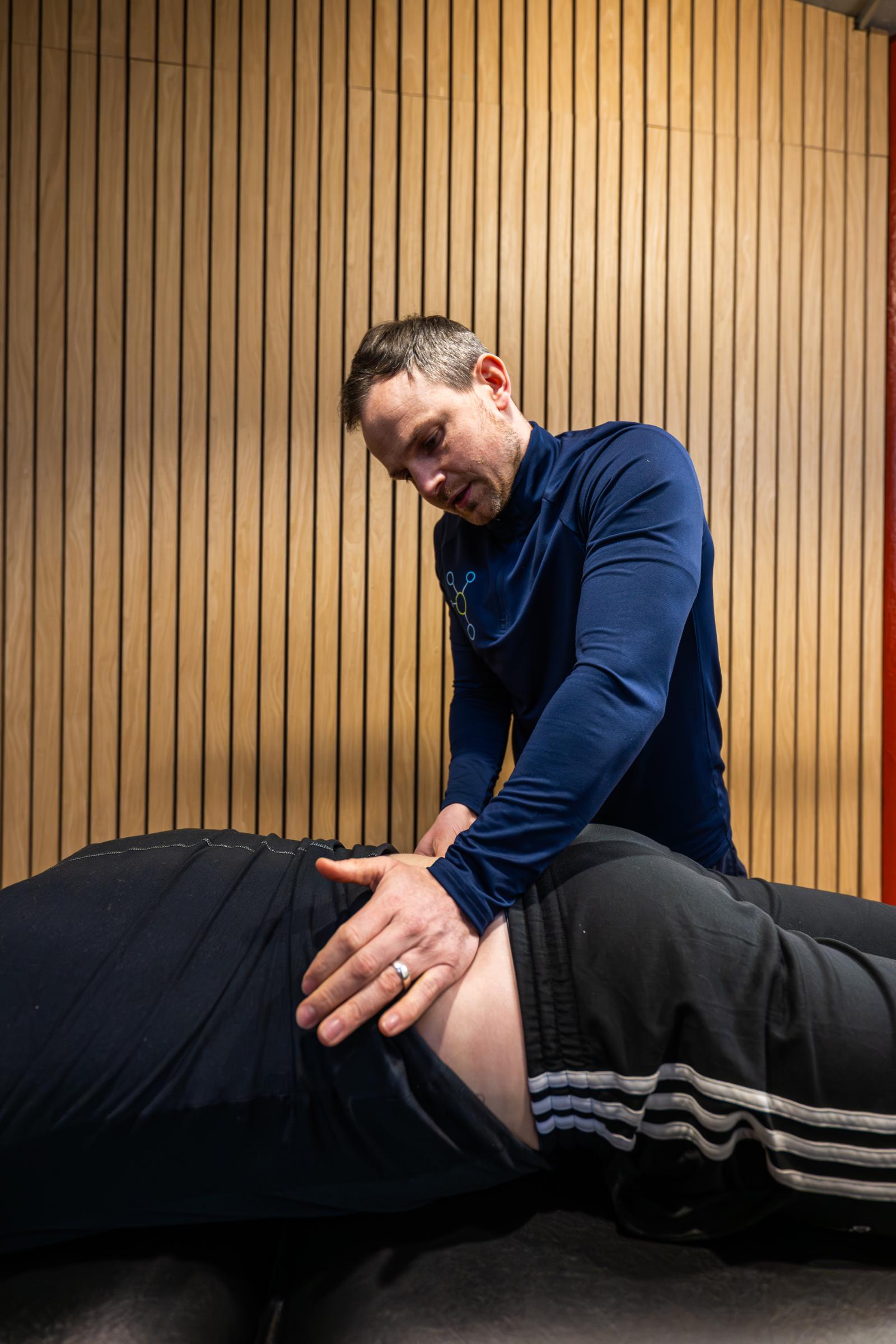
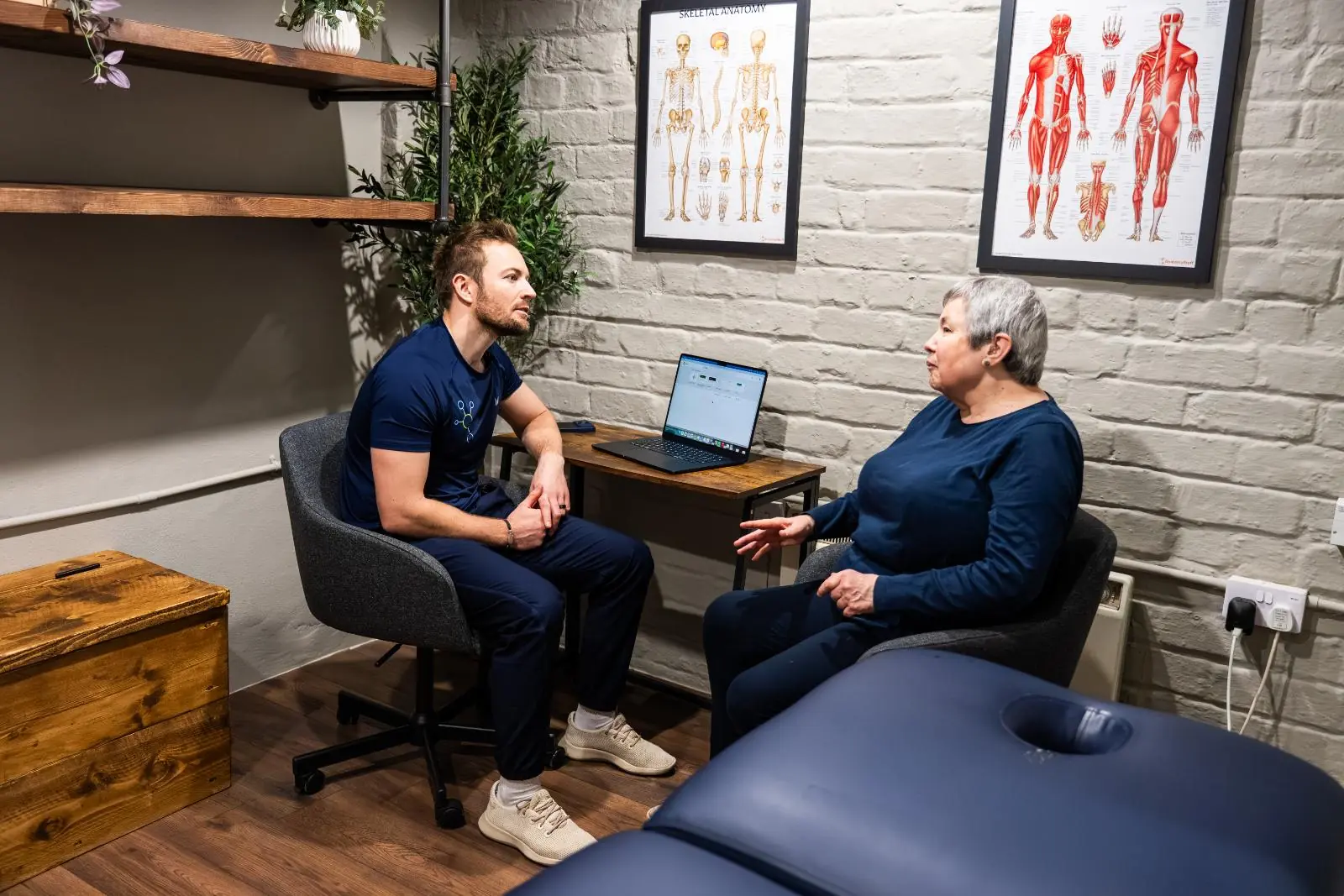
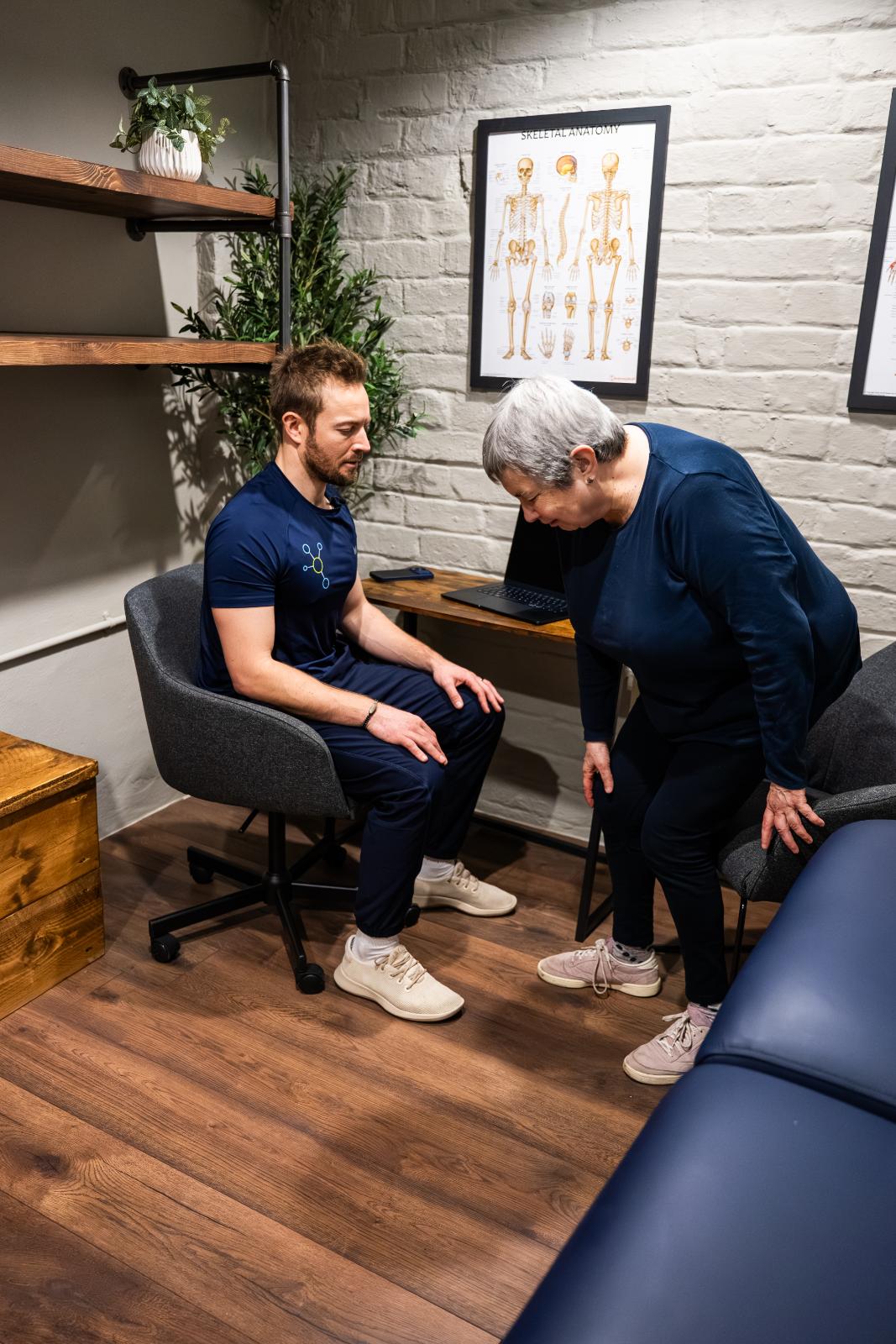
Your recovery begins with a comprehensive Physiotherapy assessment designed to find the root cause of your discomfort. We move beyond the site of pain to look at how your entire body moves and loads.
You will leave your first session with a clear clinical diagnosis and a collaborative plan of action. We prioritise education so you understand exactly why you feel the way you do.
- Full clinical history and lifestyle screening.
- Physical testing of mobility, strength, and nerve function.
- A bespoke, jargon-free rehabilitation roadmap.
Our 4-step approach to back health
Control
Reduce acute sensitivity and restore basic movement confidence through education and gentle loading.
Capacity
Gradually increase the amount of work your back can handle using targeted resistance exercises.
Strength
Build a foundation of total-body strength to protect your spine during complex movements.
Performance
Transition from rehab to your chosen sport or activity with a plan for long-term resilience.
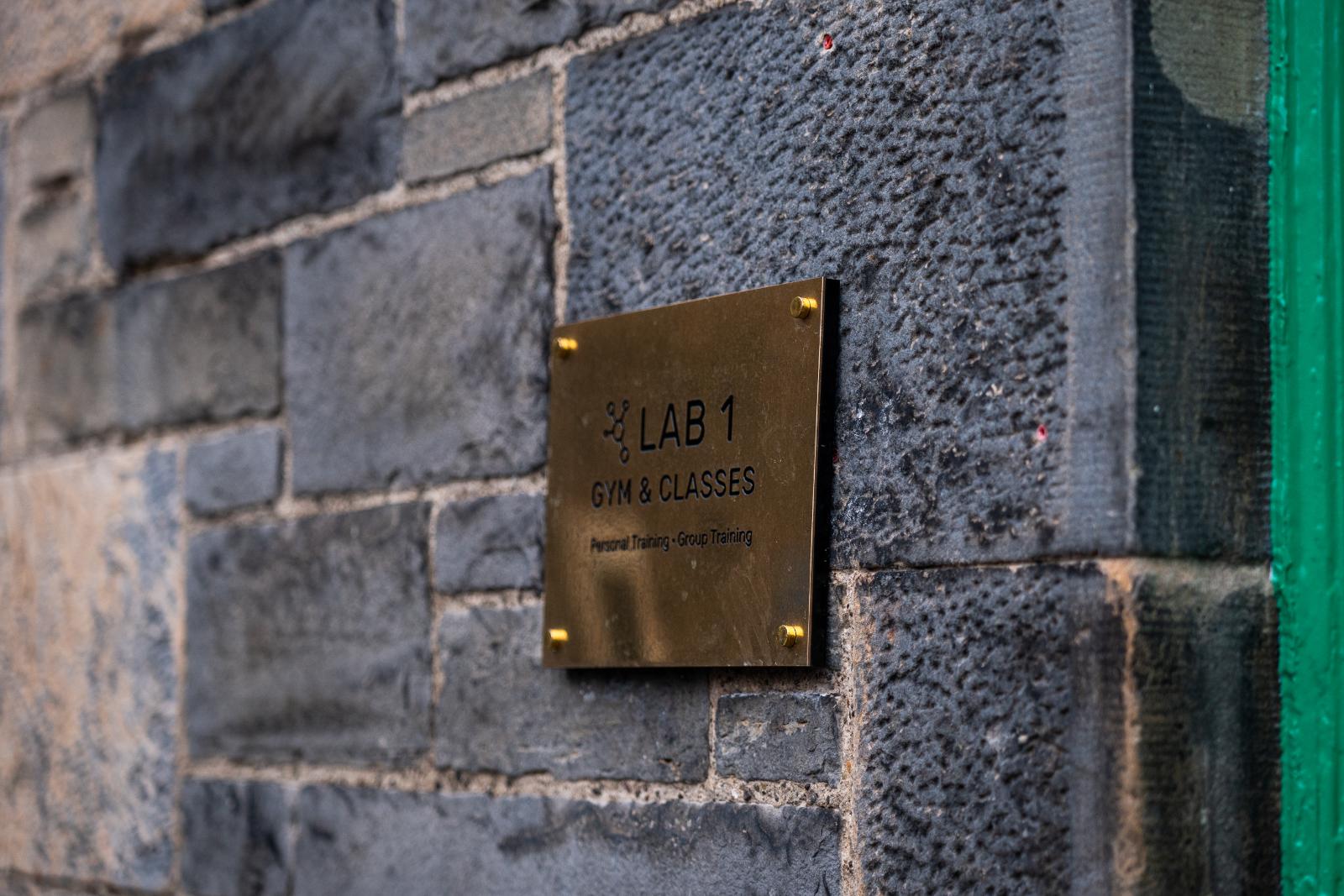
Visit our Leith clinic
Our Physiotherapy clinic in Leith serves the wider Edinburgh community. Our facility is equipped with high-quality strength and conditioning equipment to support every stage of your journey.
On-street local parking is available nearby, and the clinic is easily accessible via major bus routes and the Edinburgh tram.
Pricing
Initial Physiotherapy Assessment - £70
- Full clinical and movement assessment
- Clear diagnosis explained in plain English
- Structured rehabilitation plan
Follow-up Physiotherapy Session – £40
- Reassessment and progression
- Load adjustment and return-to-activity guidance
- Optional follow-up movement assessment using our Movement MOT to review strength and mobility, or Sports Massage to support recovery between training and rehabilitation sessions.
Using private health insurance?
We accept major providers including Bupa, Axa and Aviva. Please ensure you have authorisation prior to your appointment.
Related back conditions we treat
Mechanical pain
Non-specific lower back pain, facet joint sensitivity, and muscle strains.
Disc & nerve
Sciatica, disc herniations, and referred leg pain or weakness.
Age-related changes
Management of osteoarthritis, stenosis, and general stiffness.
Post-surgical
Rehabilitation following microdiscectomies, fusions, or injections.
Lower back pain is often influenced by mobility and strength in the hips and surrounding joints. Our Physiotherapy also treat related conditions including neck pain, shoulder pain, wrist pain, elbow pain, hip pain, knee pain and elbow pain.
Low back pain frequently asked questions
What is the best way to relieve lower back pain?
The best way to relieve lower back pain is usually to keep moving and gradually return to normal activity. Prolonged rest can often make symptoms worse. Gentle mobility exercises, walking, and progressive strengthening exercises are typically the most effective ways to reduce pain and improve function. A Physiotherapist can assess your symptoms and guide you through the most appropriate exercises for your condition.
Why does my lower back hurt?
Lower back pain can occur for many reasons including muscle strain, joint irritation, disc problems, poor movement patterns, or prolonged sitting. In many cases, pain develops gradually due to repetitive stress, inactivity, or sudden increases in activity. A Physiotherapy assessment can help identify the most likely cause and create a personalised plan to help you recover.
When should I see a Physiotherapist for lower back pain?
You should consider seeing a Physiotherapist if your back pain:
- Lasts longer than 1–2 weeks
- Keeps coming back
- Is stopping you from exercising or working
- Is associated with leg pain, stiffness, or reduced mobility
Early physiotherapy can help reduce pain, improve movement and prevent the problem becoming long-term.
What are the red flags for lower back pain?
Most lower back pain is not serious and improves with the right guidance. However, you should seek urgent medical advice if you experience:
- Loss of bladder or bowel control
- Numbness around the groin or saddle area
- Severe weakness in the legs
- Pain following significant trauma
These symptoms are rare but require urgent medical assessment.
Can Physiotherapy help lower back pain?
Yes. Physiotherapy is one of the most effective treatments for lower back pain. Treatment usually focuses on:
- Education about pain and recovery
- Individualised exercises to restore movement and strength
- Gradual return to activity and sport
The aim is not just to reduce pain but to build a stronger, more resilient back.
Do I need a scan for lower back pain?
Most people with lower back pain do not need a scan such as an MRI. Research shows that scans often reveal normal age-related changes that may not be causing the pain. Physiotherapists can usually diagnose and treat back pain based on a detailed assessment and your symptoms.
What exercises help lower back pain?
The best exercises depend on the cause of your symptoms, but common exercises include:
- Mobility exercises for the spine and hips
- Core strengthening exercises
- Glute and posterior chain strengthening
A Physiotherapist can prescribe a personalised exercise programme to help you recover safely.
Is walking good for lower back pain?
Yes. Walking is often one of the best early activities for people with lower back pain. It helps maintain mobility, improve circulation and reduce stiffness without placing excessive stress on the spine.
How long does lower back pain take to recover?
Most episodes of lower back pain improve within 2–6 weeks. However, recovery time depends on the cause of the problem, your activity levels, and how quickly you begin appropriate exercises and rehabilitation.
Do you offer Physiotherapy for lower back pain in Edinburgh?
Yes. At Health by Science we provide Physiotherapy for lower back pain in Edinburgh, including detailed assessments and personalised rehabilitation programmes designed to help you return to normal activity as quickly and safely as possible.
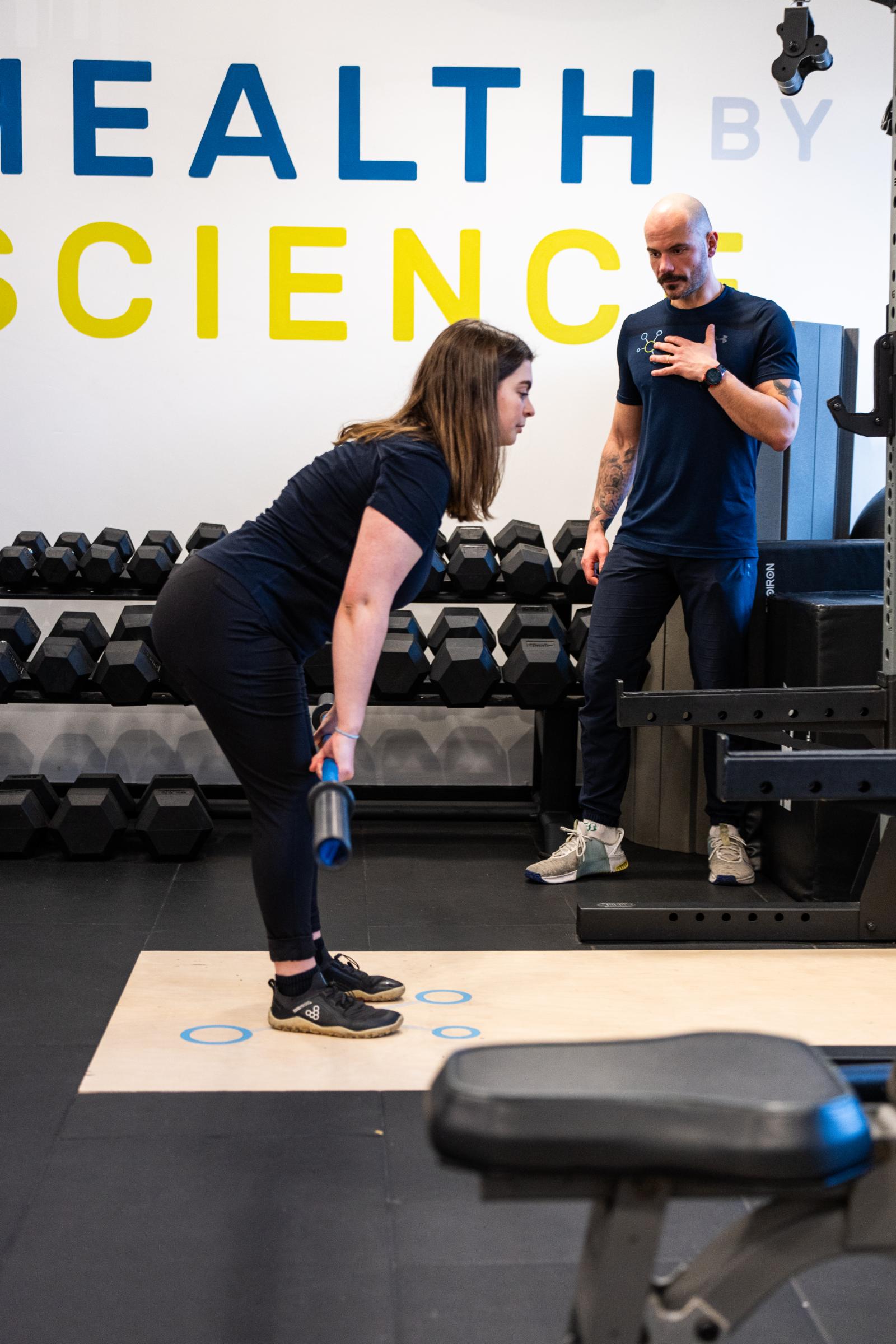
Online lower back assessment
Not sure yet, or can’t get to our Leith clinic? Start with a free online assessment by video call.
What’s included:
-
A 15–30 minute video assessment
-
Full subjective assessment of your symptoms
-
Detailed discussion of training and lifestyle demands
-
Initial diagnosis and explanation
-
Structured rehabilitation plan where appropriate
What It Doesn’t Include:
- Hands-on assessment
- Manual therapy
- In-person strength testing
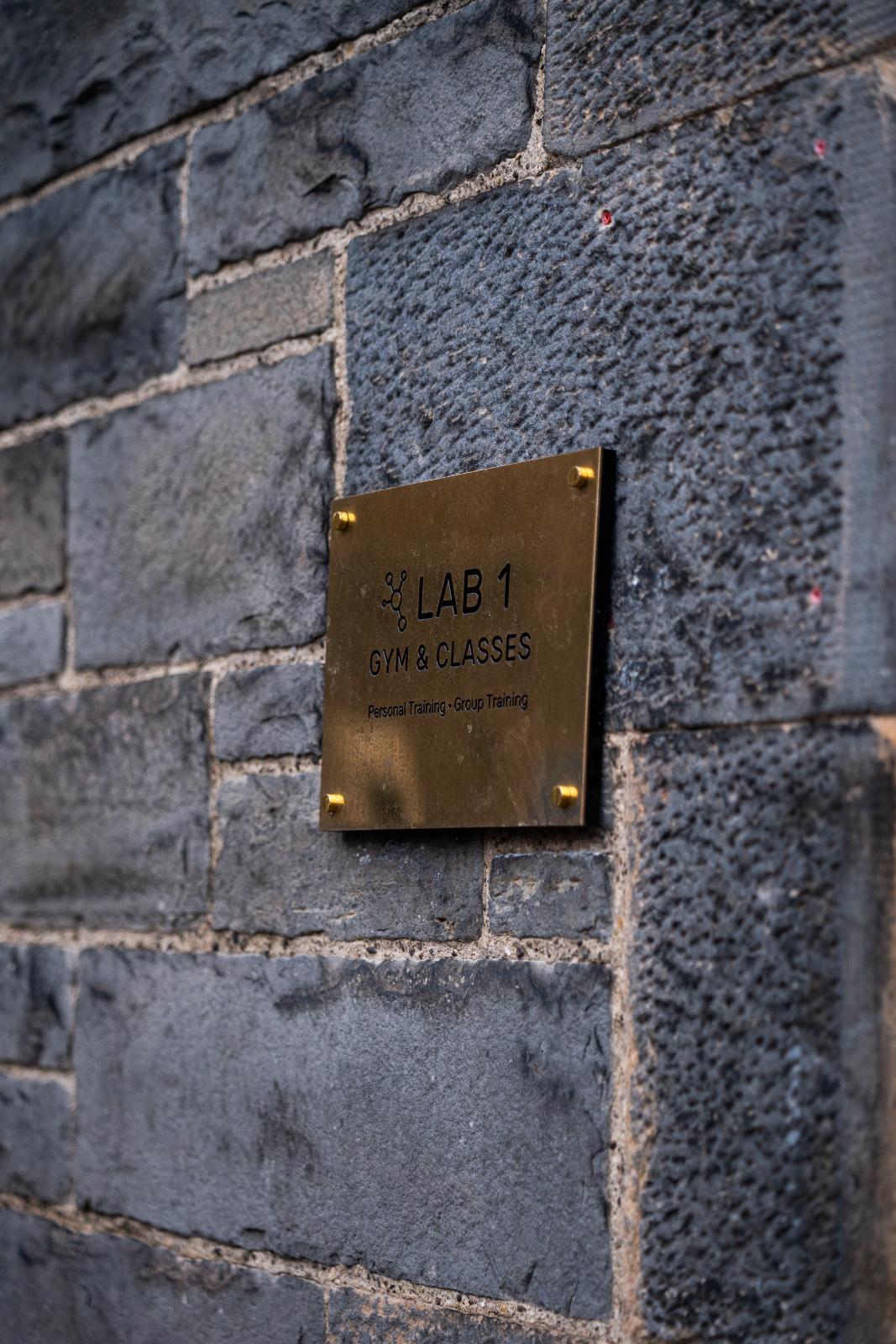
Visit our physiotherapy clinic in Leith, Edinburgh
Appointment availability
Mon – Fri: 6:00AM – 10:00PM
Sat – Sun: 8:00AM – 8:00PM
By appointment only. Times are subject to appointment availability.