Personal Training · Leith, Edinburgh
Return to sport personal training in Edinburgh
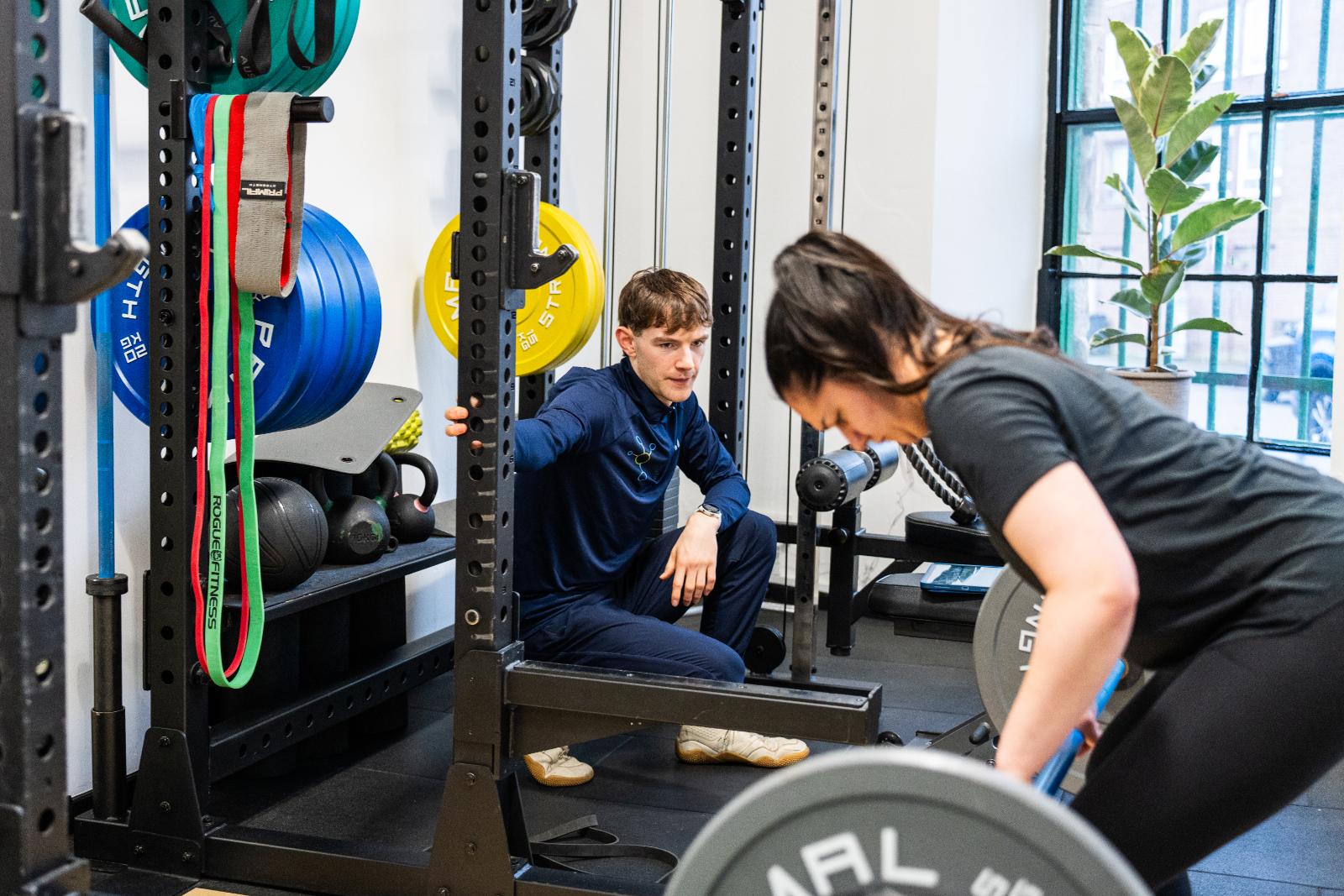
Return to sport. Perform with confidence. Clinically informed personal training in Edinburgh designed to rebuild resilience, restore power and reduce re-injury risk when returning to sport.
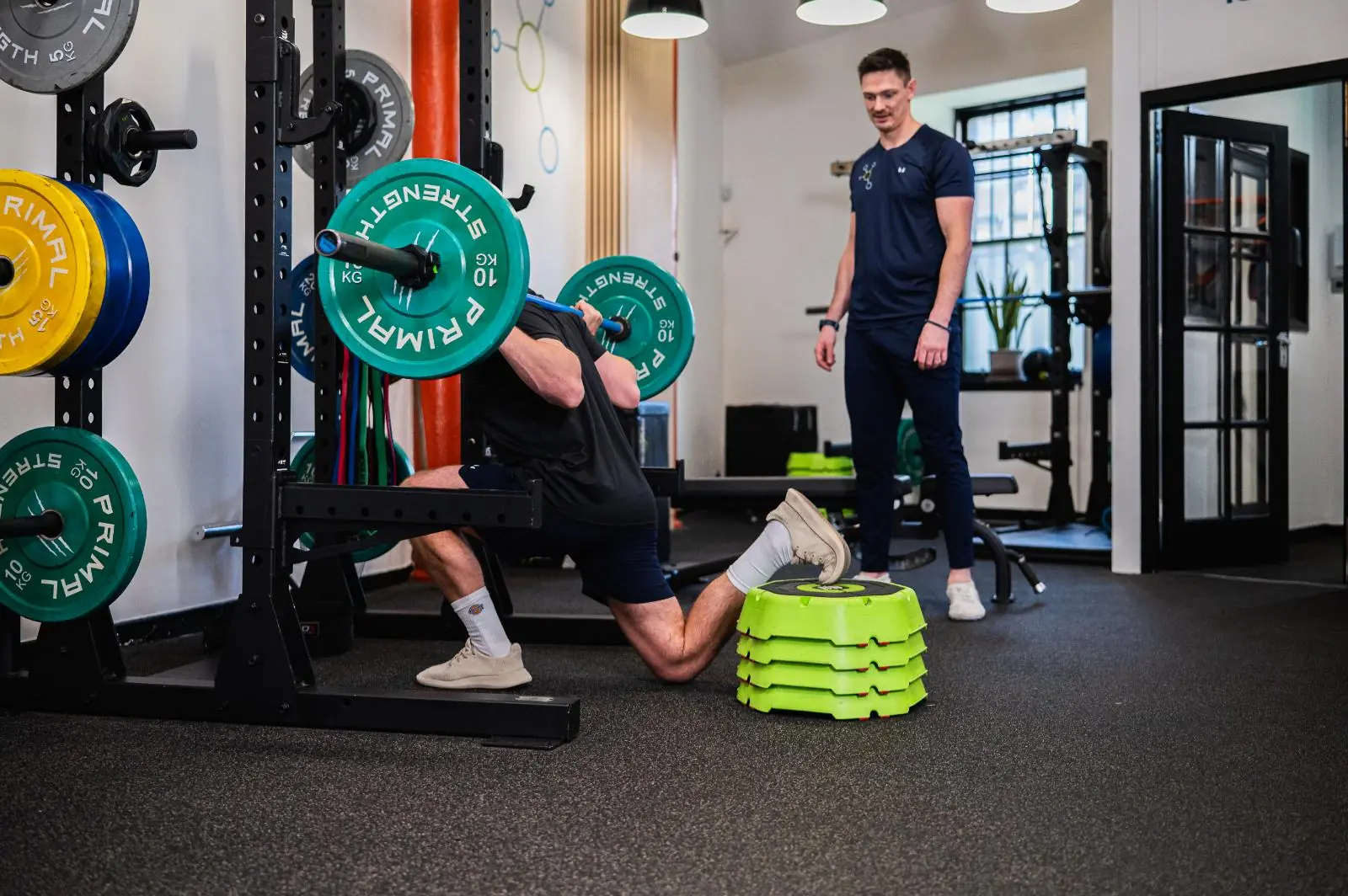
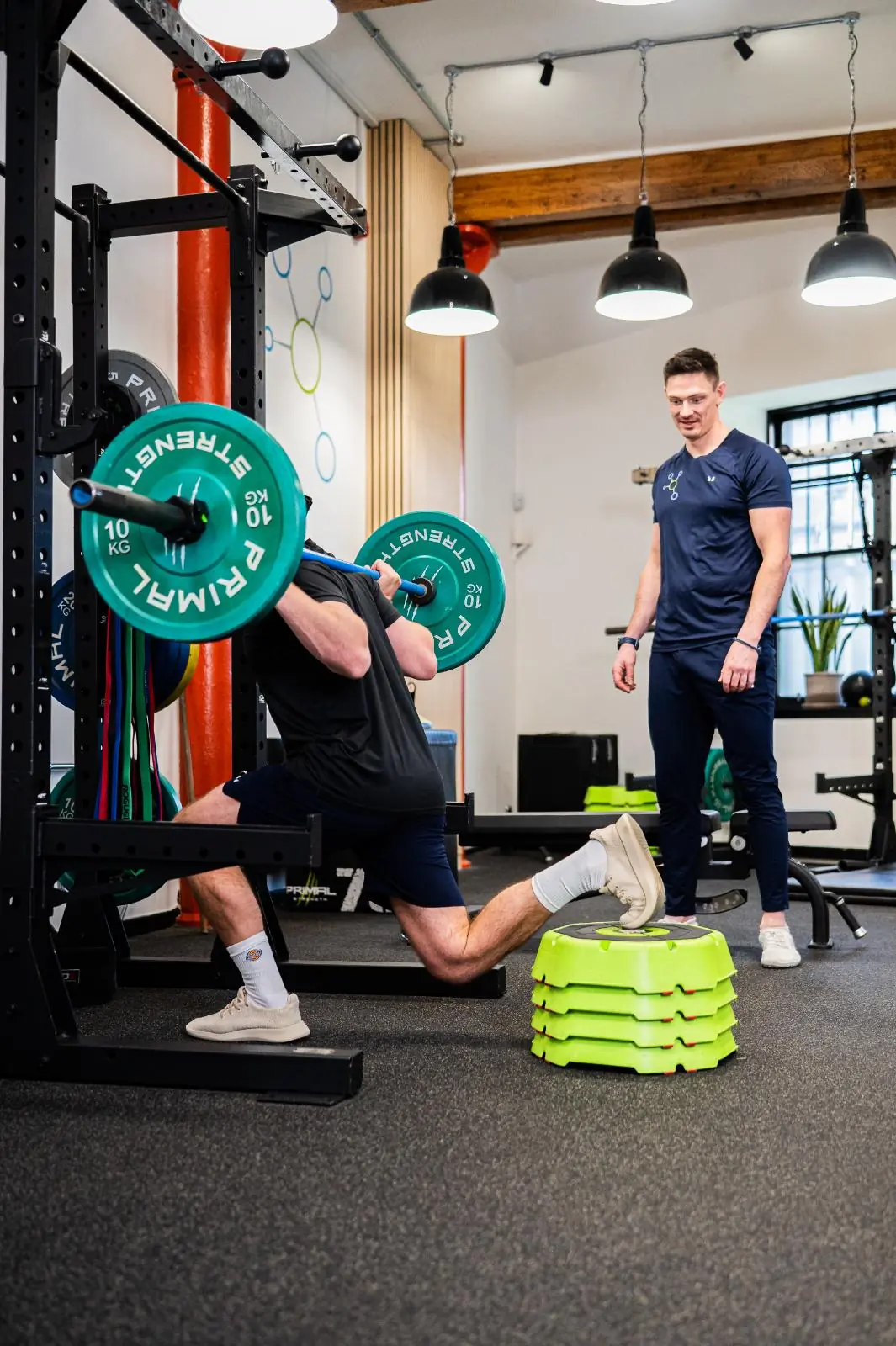

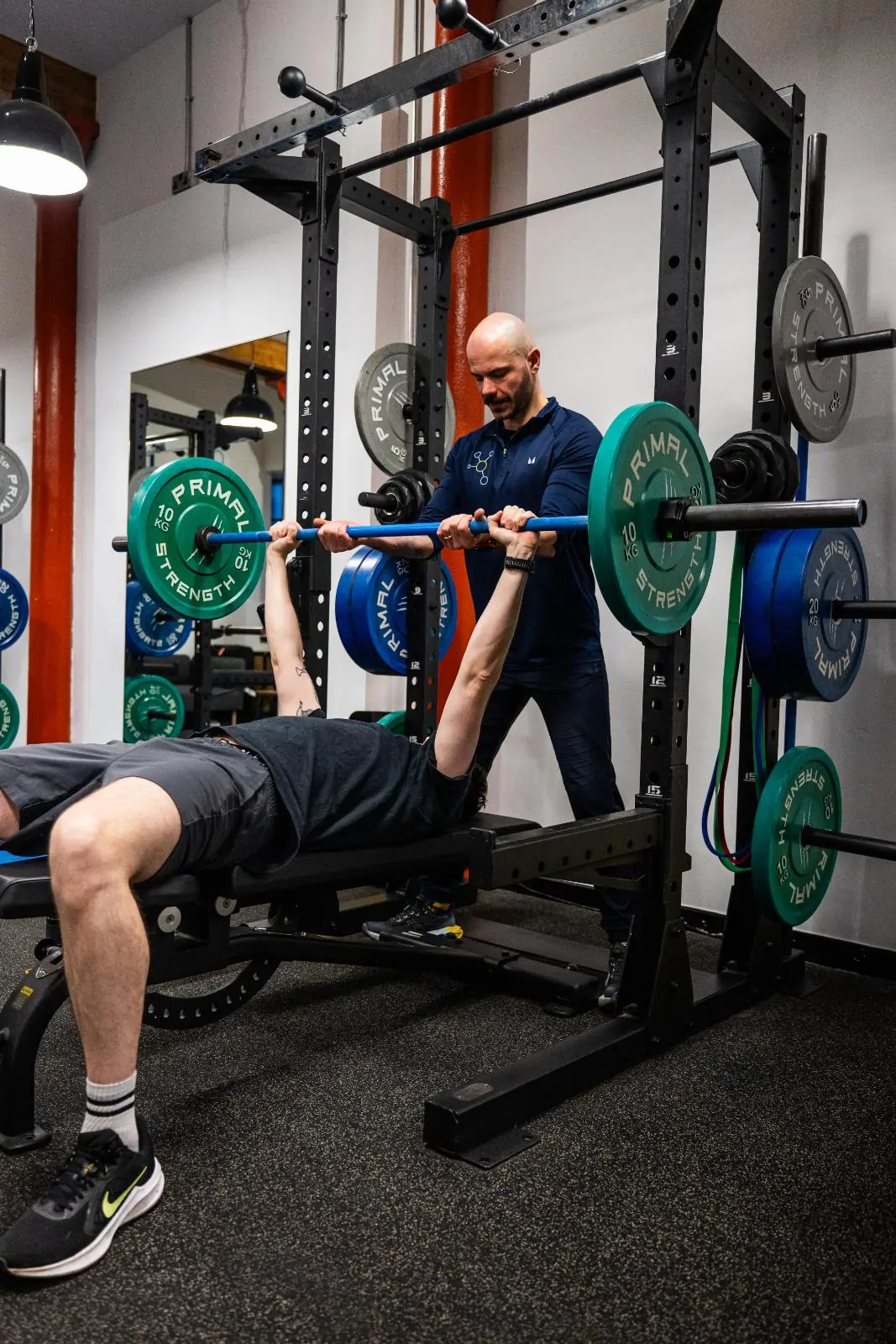
Why setbacks keep happening
Most return-to-sport plans stop when pain settles.
But pain-free doesn’t mean performance-ready.
If strength, control and power haven’t been rebuilt, intensity exposes the gap, and the niggle returns.
Rehab reduces symptoms. Physiotherapy helps diagnose and treat the injury, while Performance Training rebuilds capacity.
We bridge the gap.
Our return to sport framework
A structured progression from rehab to full performance.
Assess capacity
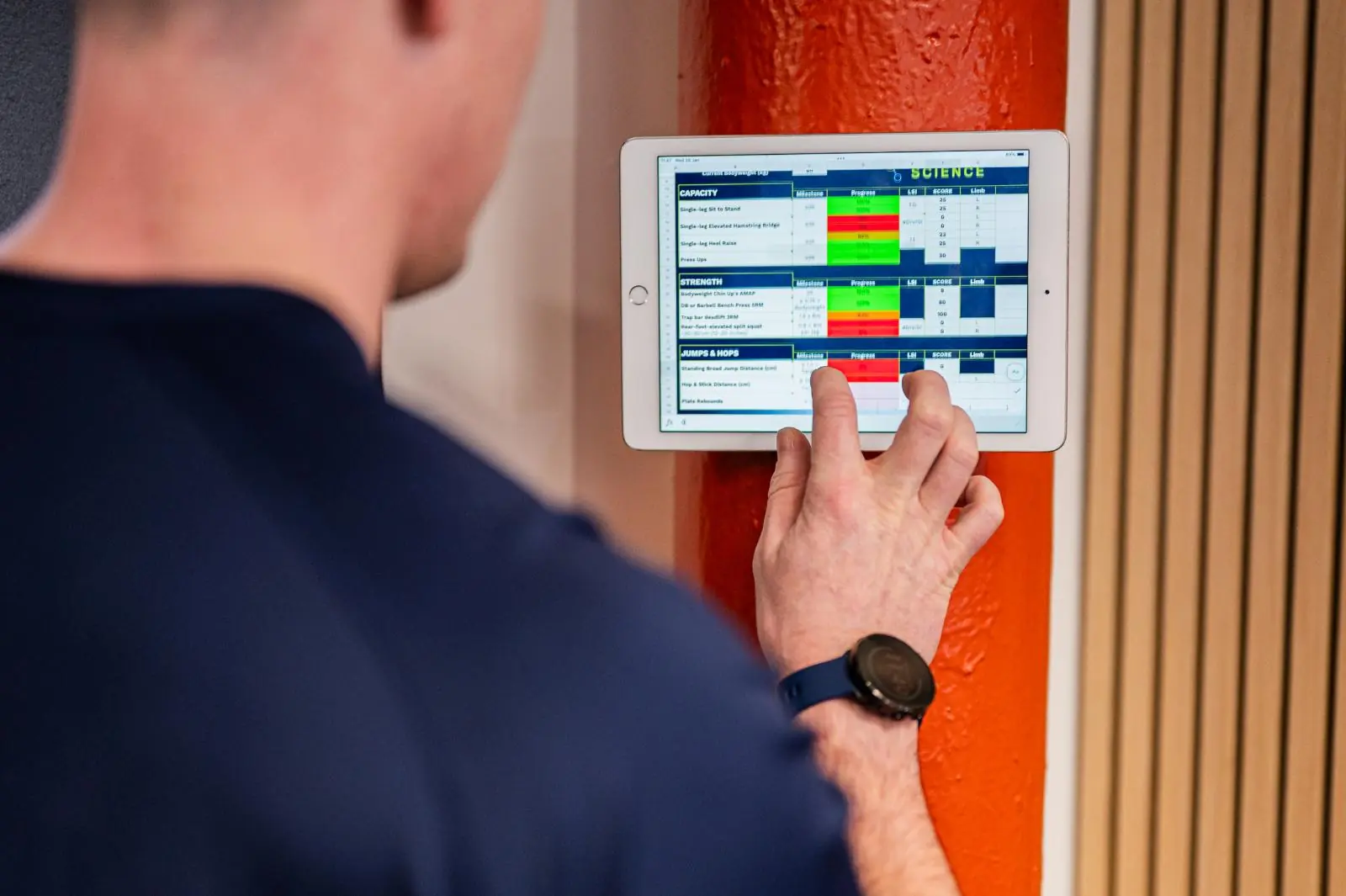
With our Movement MOT we identify strength deficits, asymmetries and movement limitations, not just pain levels.
From pain-free to performance-ready, with Sports Massage supporting recovery along the way.
Who this is for
This isn’t general gym coaching.
It’s for athletes and active adults who want to train hard, without constantly worrying about setbacks.
This is right for you if:
- You’re returning after ACL, ankle, shoulder or hamstring injury
- You feel fit, but not powerful or confident
- Flare-ups return when intensity increases
- You want performance coaching with clinical depth
- You care about long-term durability
Some clients focus primarily on fat loss, others on injury prevention, while some use strength training to build strength and muscle, manage chronic conditions, or stay strong while ageing well.
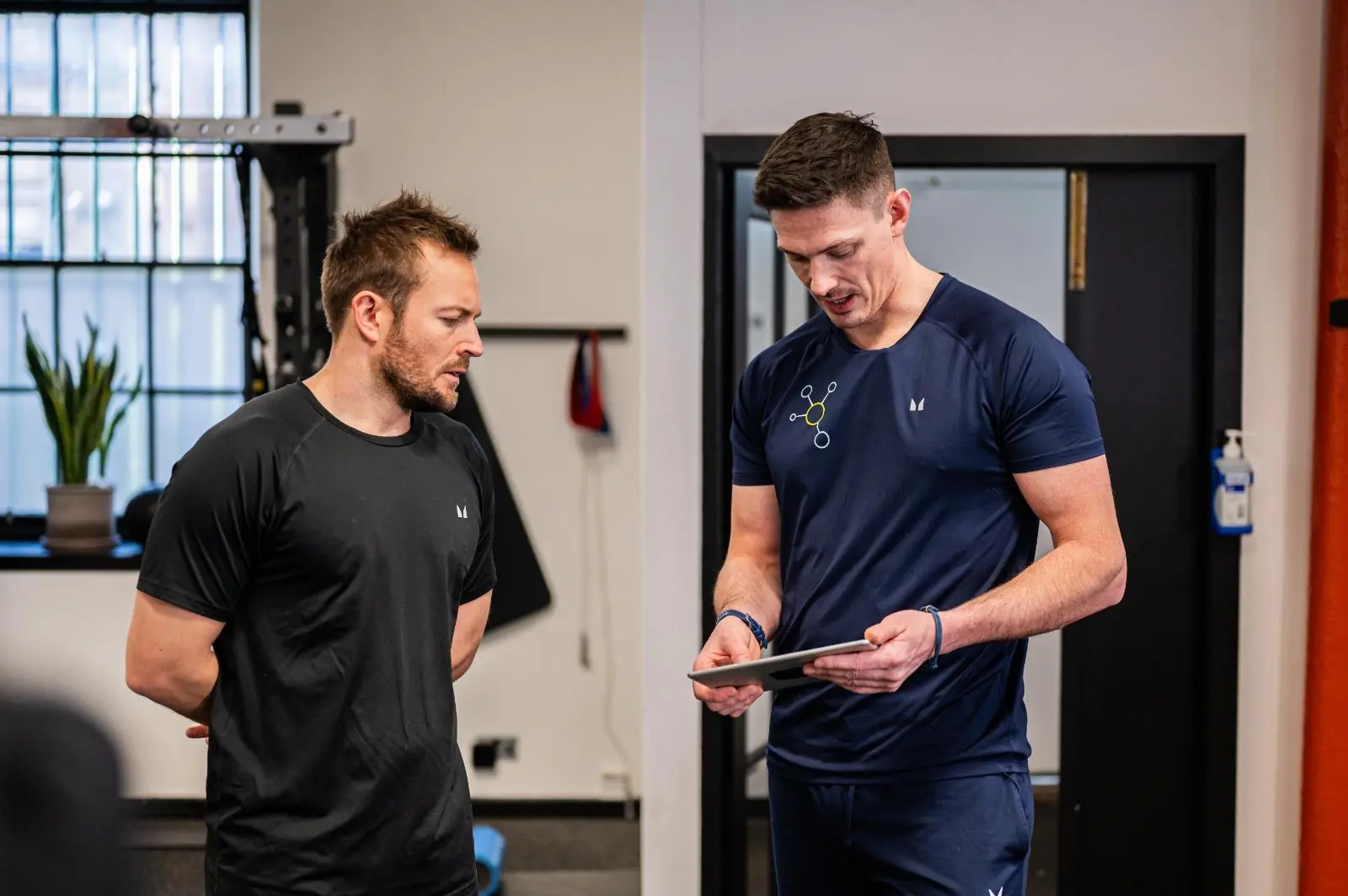
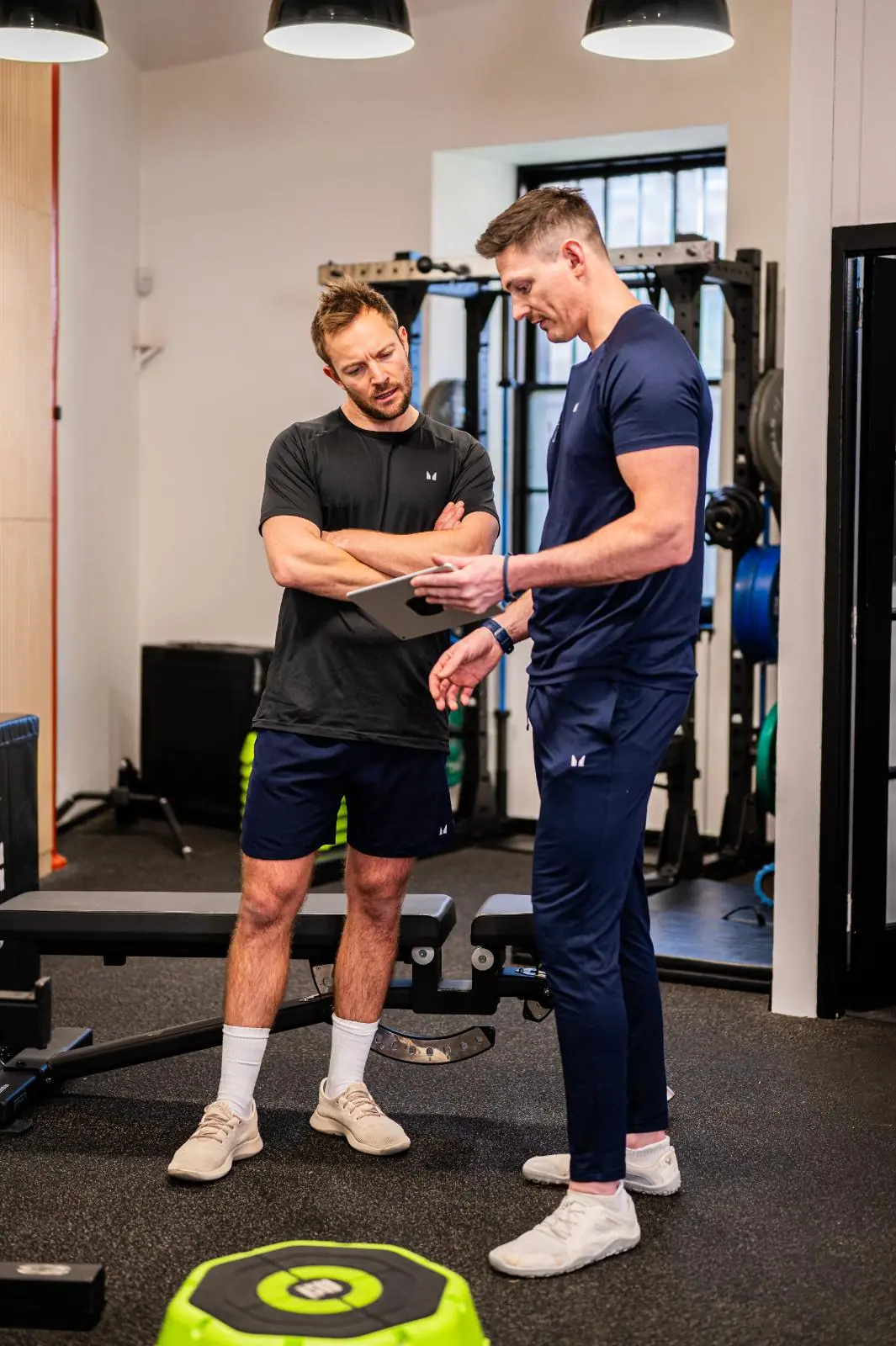
Real progress. Measurable results.
We don’t chase quick fixes. We build strength, resilience and confidence that lasts.
Structured plan with measurable progress.
After rupturing my quad tendon, I needed more than basic rehab advice. I was given a structured strength plan with clear benchmarks and progression. Eleven months later I’m back running and hitting excellent numbers in the gym. The confidence and clarity made all the difference.
A plan built around chronic knee pain.
Kubo was excellent at creating a custom plan that was able to deal with a debilitating chronic knee pain I’d experienced for years.
Finally a routine that sticks.
After having trying and failing to stick to a regular, structured exercise regime over the years, this is the first time I have been able to create those routine and visibly improve both my health and fitness.
Performance is measured, not assumed
We don’t guess when you’re ready.
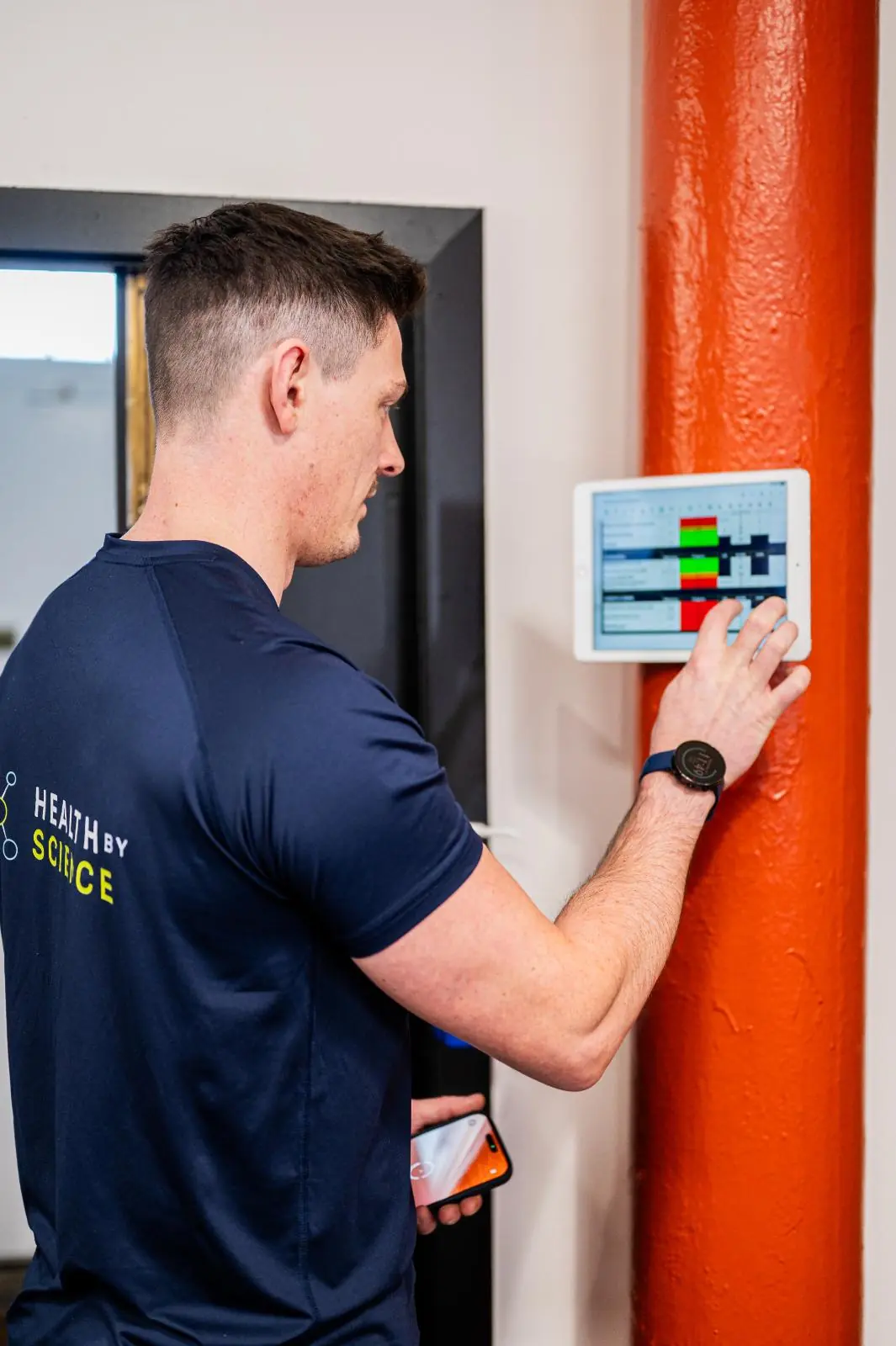
Our personal trainers look for clear markers of strength, symmetry and capacity before progressing intensity.
Depending on your sport, we assess:
- Relative strength (strength as a % of bodyweight)
- Single-leg symmetry
- Eccentric control
- Plyometric tolerance
- Sprint and deceleration mechanics
You return when the data supports it, not just when pain settles.
Ready to return properly?
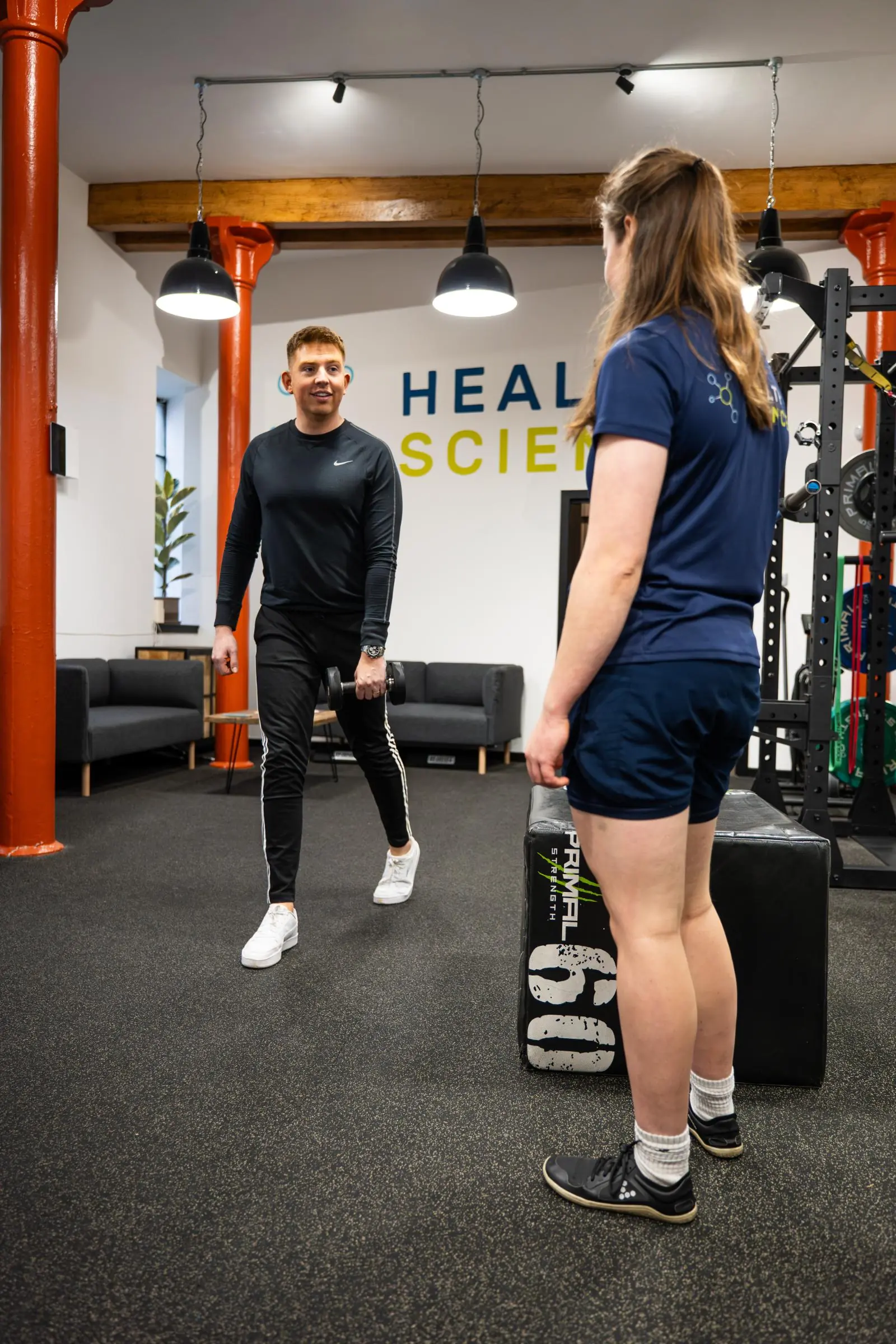
If you’re serious about getting back to your sport, and staying there, it starts with a proper Movement MOT assessment.
We’ll identify what’s holding you back and build a structured plan to rebuild strength, restore power and reduce re-injury risk.
No guesswork.
No rushed return.
No random programming.
Just a clear progression from where you are → to performance-ready.
Train hard. Stay durable. Compete with confidence.
Return to Sport and Performance FAQs
What does “return to sport” mean?
Return to sport refers to the process of safely progressing from injury rehabilitation back to full participation in sport or physical activity. This typically involves restoring strength, mobility, coordination, and confidence before returning to normal training or competition.
How long does it take to return to sport after an injury?
The time required to return to sport depends on the type and severity of the injurythe sport involved, and how well rehabilitation progresses. Some injuries may take a few weeks to recover, while others, such as ligament injuries, can require several months of structured rehabilitation.
What is return to sport testing?
Return to sport testing involves objective assessments used to determine whether an athlete is ready to safely return to training or competition. These tests often include measures of strength, balance, jumping, agility, and movement control to ensure the body can tolerate the demands of sport.
Why is return to sport testing important?
Return to sport testing helps ensure that strength, movement quality, and performance have recovered sufficiently before returning to activity. This reduces the risk of reinjury and helps athletes return with greater confidence.
What are common return to sport criteria?
Return to sport criteria often include:
- Adequate strength compared with the uninjured side
- Good movement control and technique
- Ability to perform sport-specific drills
- No significant pain or swelling during activity
- Sufficient confidence in the injured area
Meeting these criteria helps reduce the likelihood of reinjury.
What exercises help with returning to sport?
Return to sport programmes typically include:
- Strength training to rebuild muscle and tendon capacity
- Plyometric exercises to restore power and jumping ability
- Agility drills to prepare for rapid changes in direction
- Sport-specific training that mimics the demands of competition
These exercises help prepare the body for the physical demands of sport.
Can returning to sport too early increase injury risk?
Yes. Returning to sport too quickly before strength, mobility, and control have fully recovered can increase the risk of reinjury or compensatory injuries in other areas of the body.
Do you offer return to sport rehabilitation in Edinburgh?
Yes. At Health by Science we offer return to sport rehabilitation in Edinburgh, combining physiotherapy, strength training, and performance testing to help individuals safely progress back to sport and physical activity.
Visit our private Personal Training studio in Leith, Edinburgh
Appointment availability
Mon – Fri: 6:00AM – 10:00PM
Sat – Sun: 8:00AM – 8:00PM
By appointment only. Times are subject to appointment availability.