
Personal Training · Leith, Edinburgh
Ageing well personal training Edinburgh
Clinically informed personal training in Edinburgh designed to maintain muscle, protect joints and keep you capable, confident and active for decades to come.
Ageing is inevitable.
Weakness and frailty aren’t.

Why “staying active” isn’t enough
Walking is good. Golf is good. Classes are good.
But they don’t meaningfully challenge strength, power or bone density.
After 30, we naturally lose muscle.
After 50, that loss accelerates.
If we don’t train against it, we lose:
– Strength
– Stability
– Confidence
– Independence
Ageing well isn’t accidental. It’s trained.
Some clients start with a Movement MOT to assess strength, balance and mobility before beginning training.
The three pillars of ageing well
Long-term health isn’t built on one quality alone. We train across three essential capacities – sometimes supported by Physiotherapy when stiffness or pain is limiting movement.
Ignore one, and the others suffer. Train all three, and you build a body that lasts.
How we personalise your programme
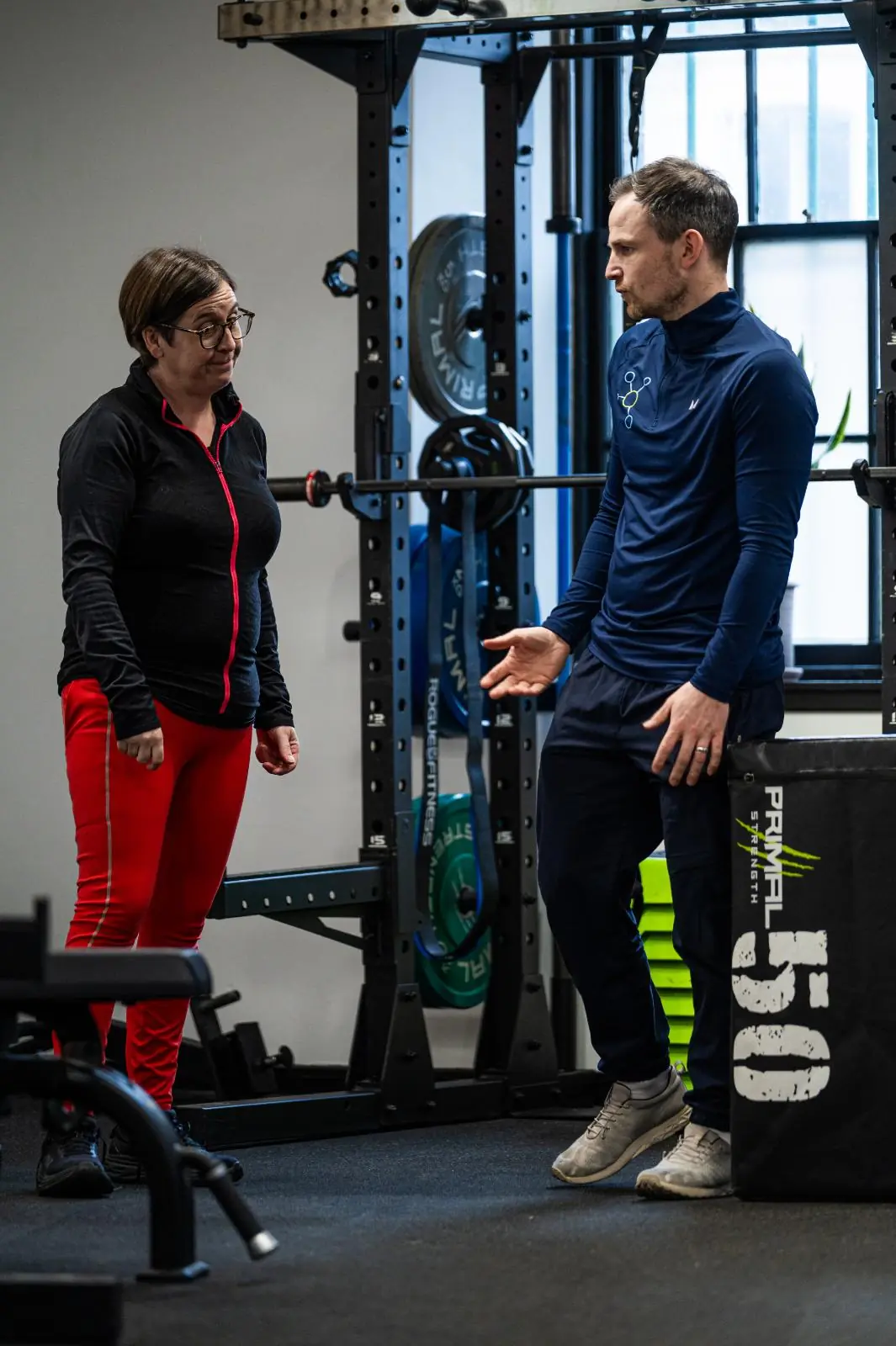
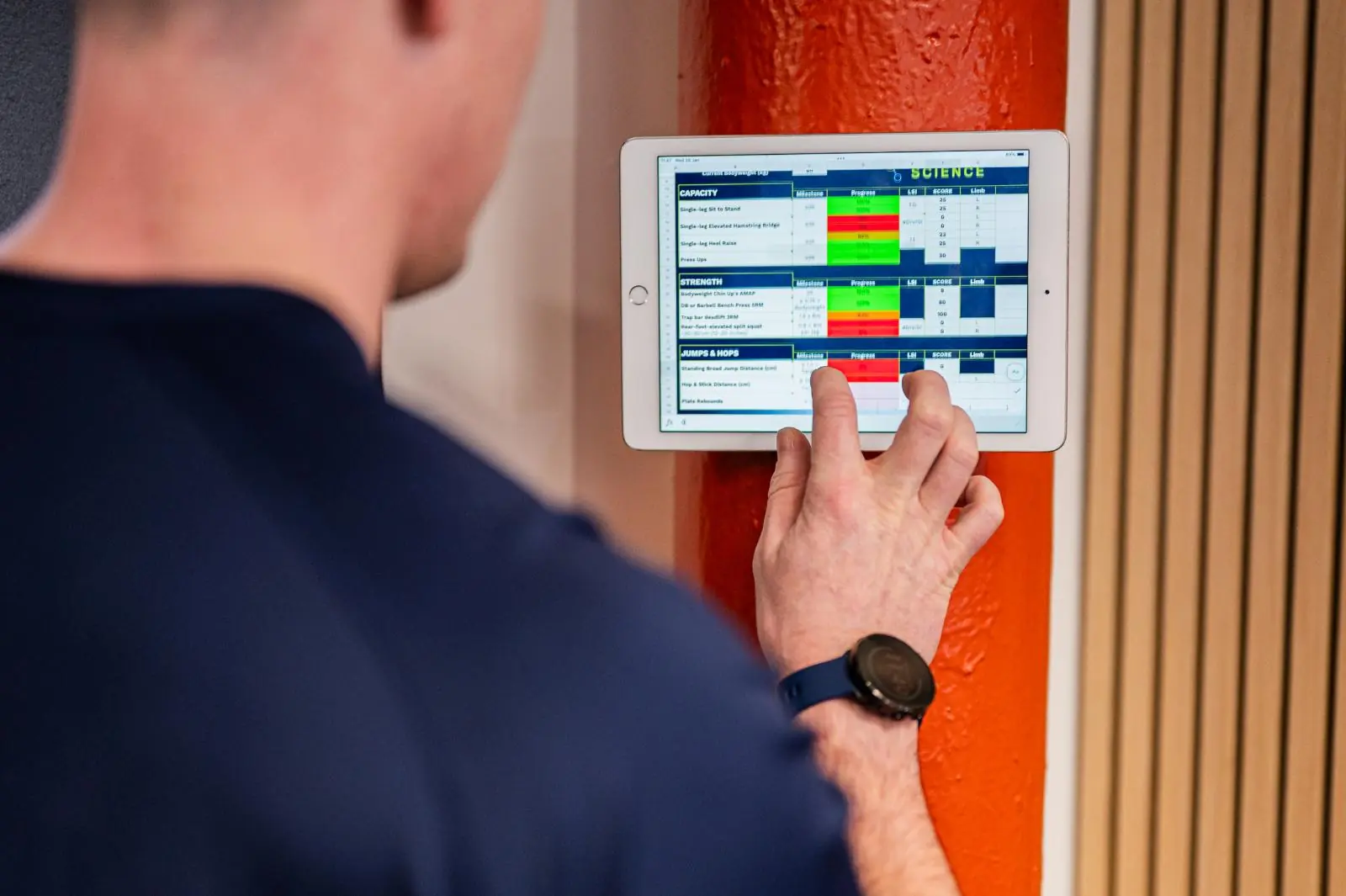
Every Longevity client starts with a detailed assessment.
We look at:
- Strength across key movement patterns
- Balance and stability
- Mobility restrictions
- Injury history
- Training experience
- Lifestyle and recovery capacity
From there, we build your programme around what you need, not a one-size-fits-all plan.
Some clients also use Sports Massage to help manage muscle tension and improve recovery between sessions.
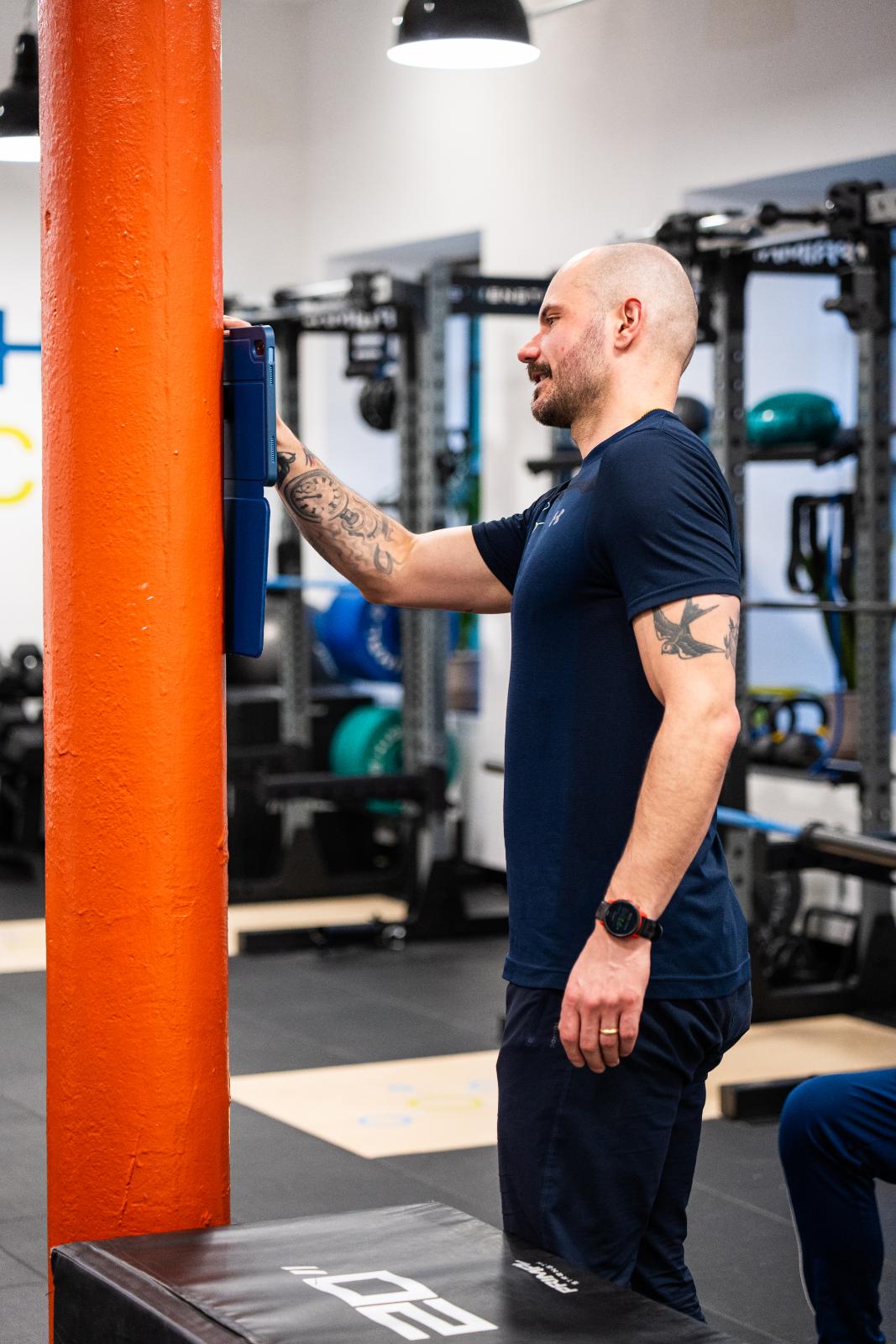
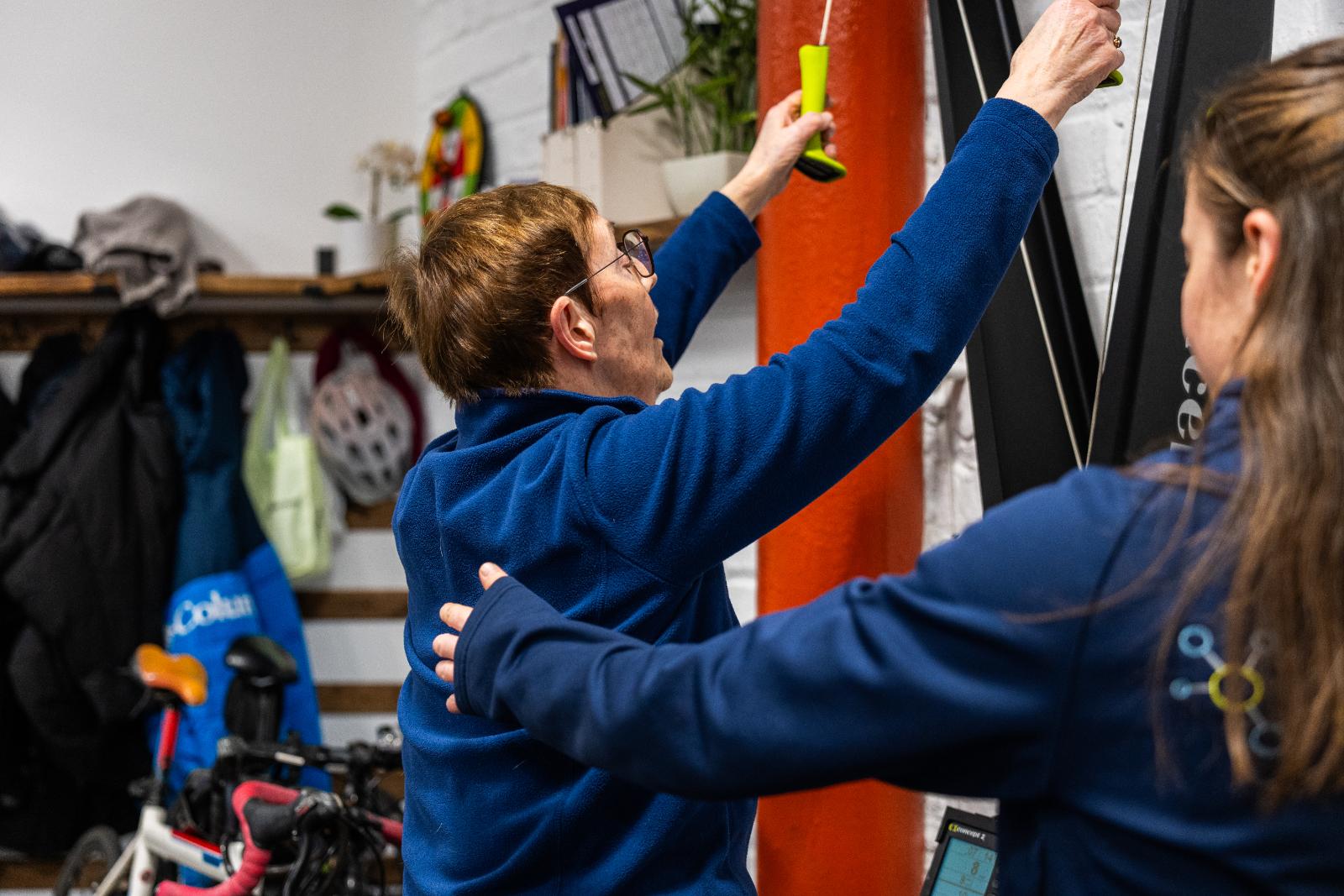
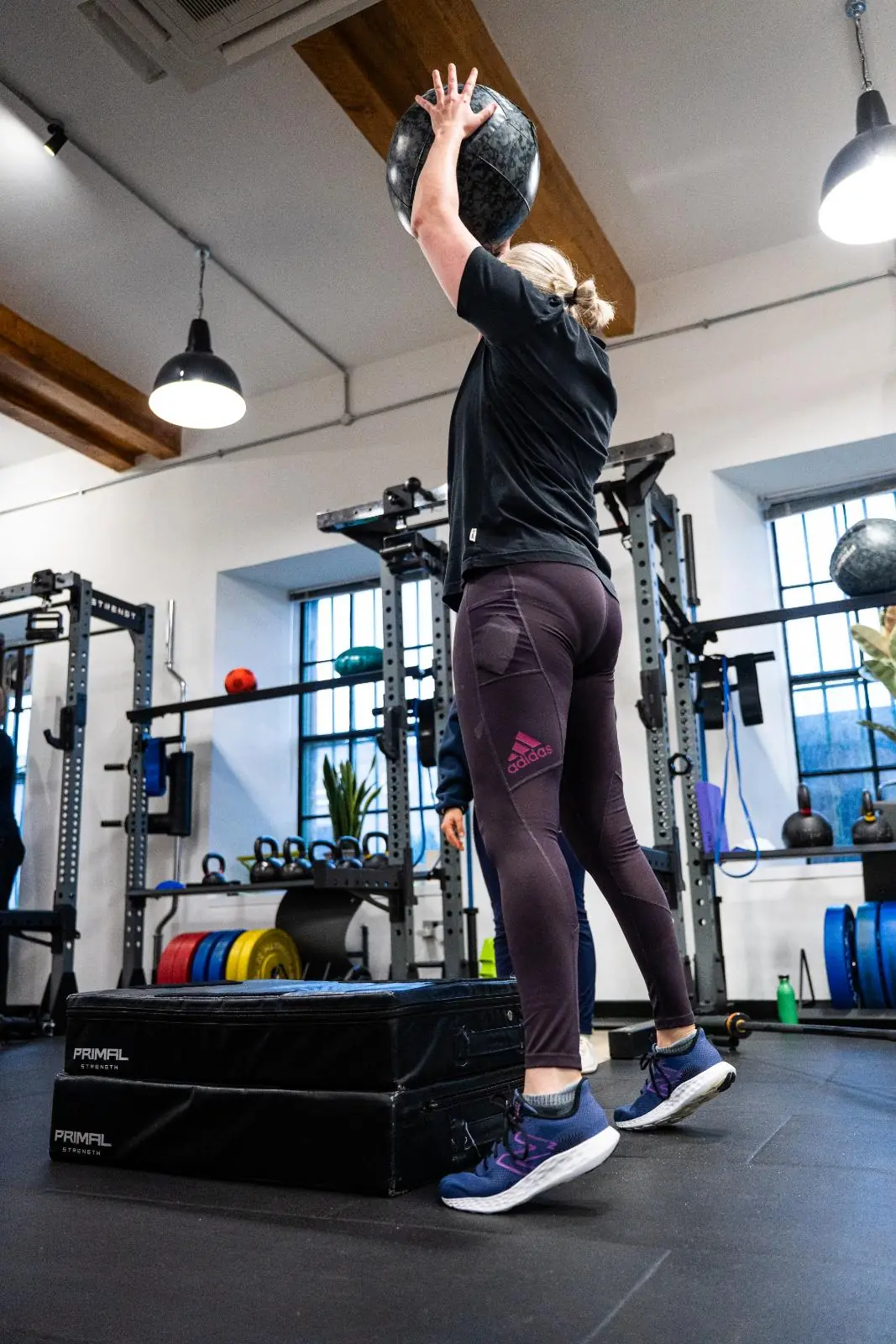
Who this is for
This is for you if:
- You want to stay strong and independent as you age
- You’re noticing strength, balance or recovery declining
- You’ve had minor injuries that keep recurring
- You want to protect bone density and joint health
- You don’t want to feel “fragile” in your 60s and 70s
- You value long-term health over short-term intensity
You don’t need to be fit already. You don’t need to lift heavy. You just need to be willing to train consistently.
Some clients focus primarily on fat loss, others on injury prevention, while some use strength training to support return to sport, manage chronic conditions, or building strength and muscle.
Real progress. Measurable results.
We don’t chase quick fixes. We build strength, resilience and confidence that lasts.
Free from chronic back pain.
He has been an important part of me becoming free from chronic back pain in my late 50’s, and for learning that it’s never too late to get fit and healthy.
Rebuilt strength from scratch.
After a liver transplant and losing significant muscle mass, I needed to rebuild safely and gradually. The programme was tailored to exactly where I was starting from. Sessions were manageable but challenging, and I’ve regained strength and confidence. Supportive, knowledgeable and motivating.
Finally a routine that sticks.
After having trying and failing to stick to a regular, structured exercise regime over the years, this is the first time I have been able to create those routine and visibly improve both my health and fitness.
What longevity training looks like
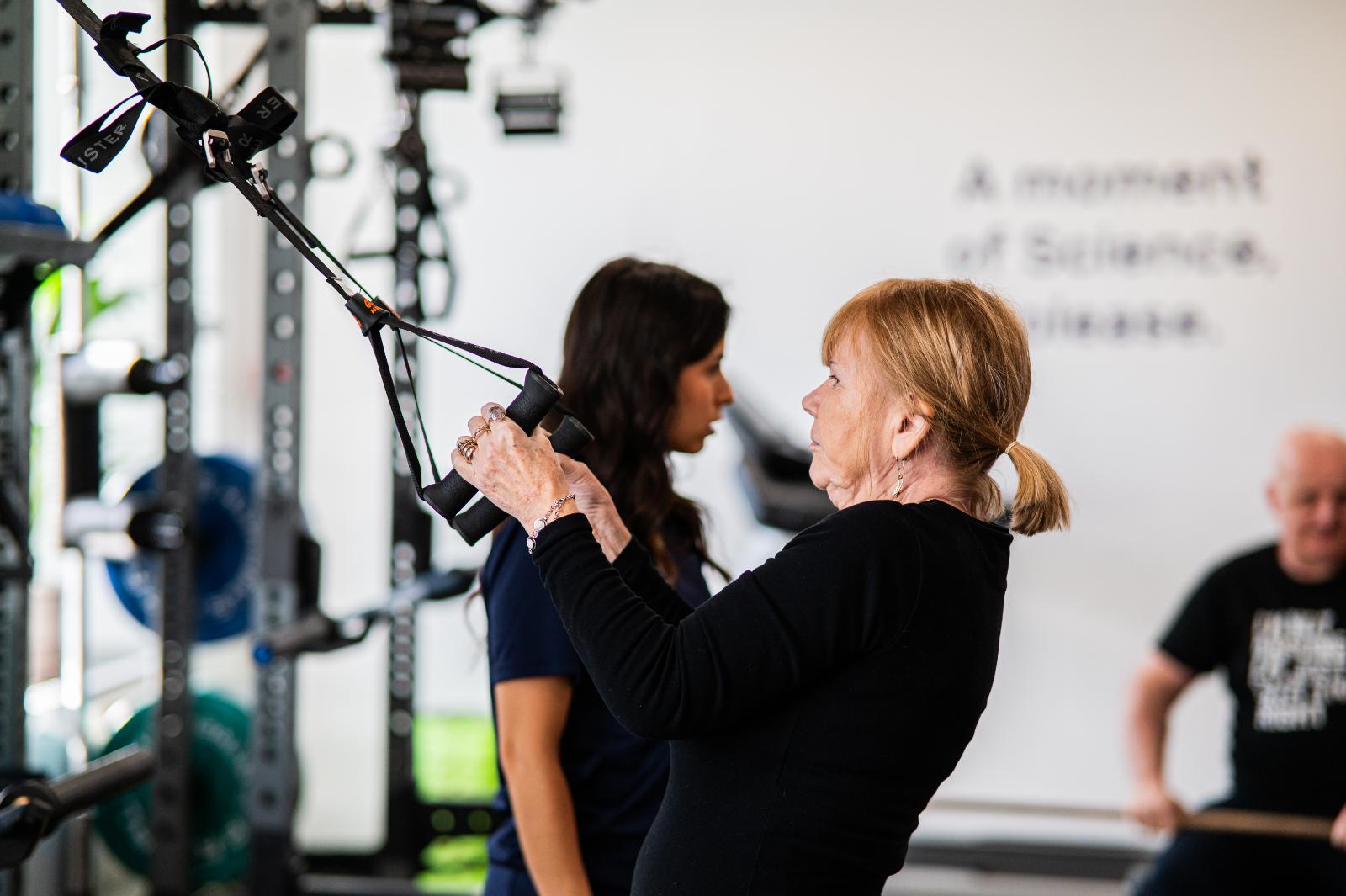
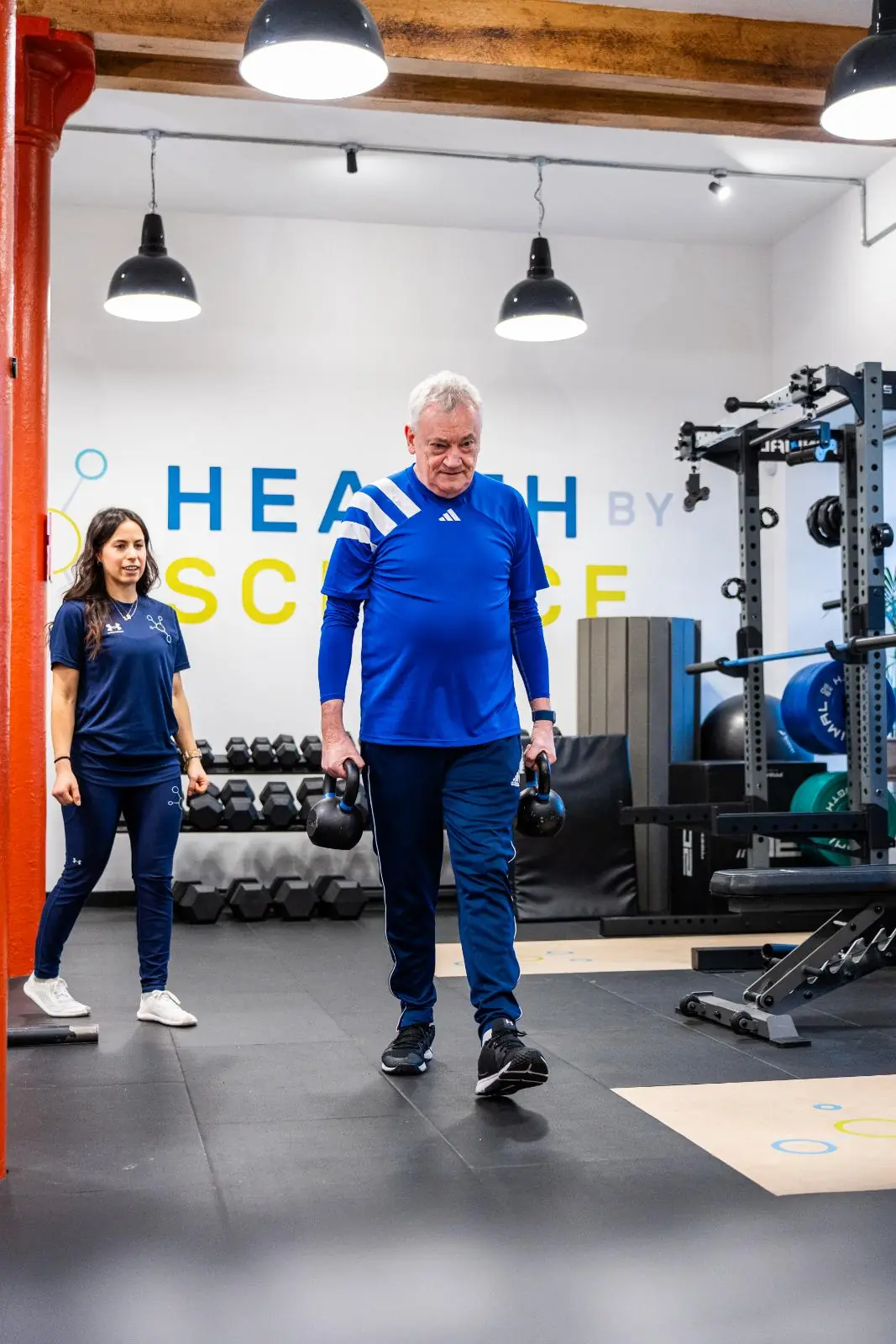
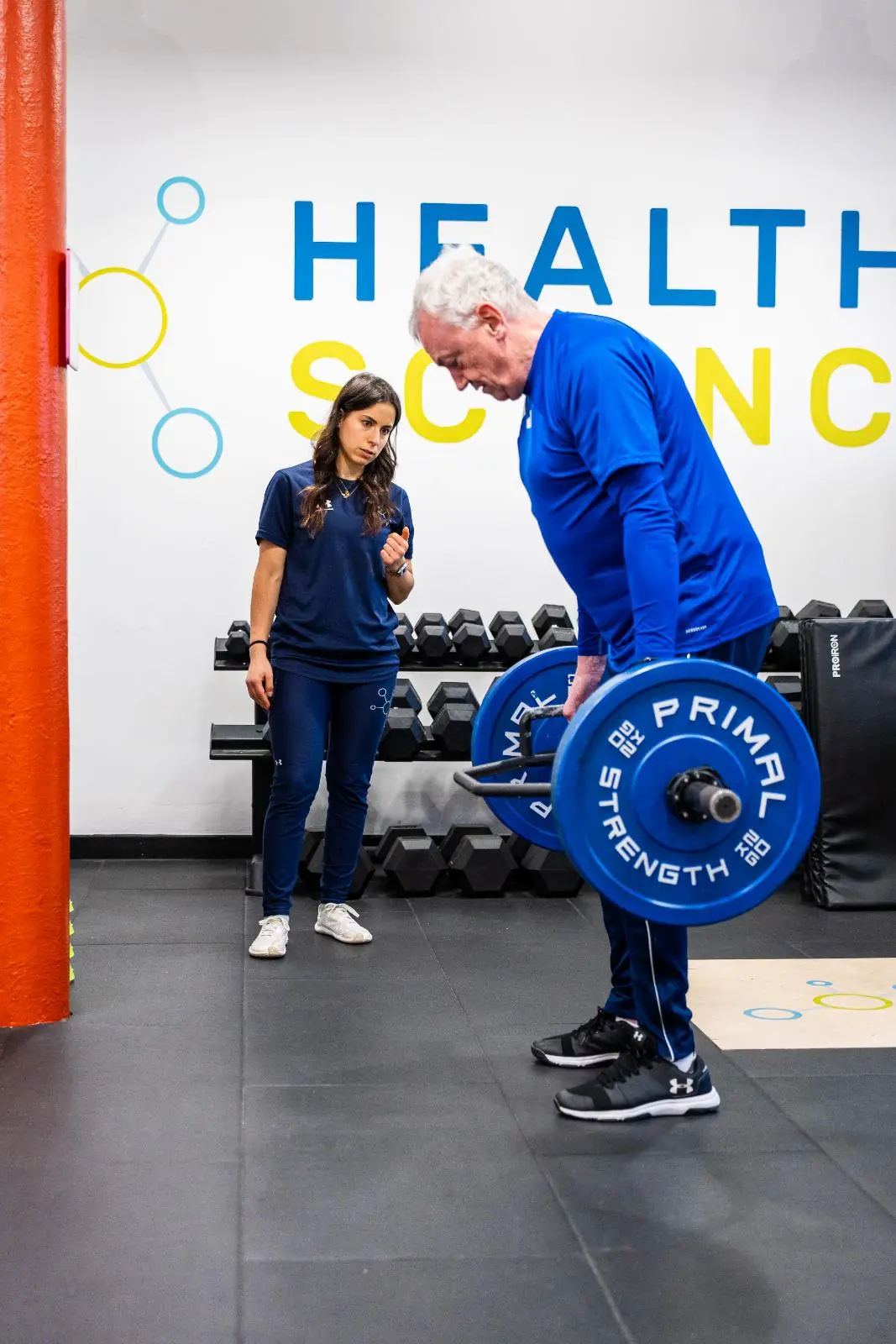
Strength built around what declines with age.
Muscle
Progressive resistance to maintain lean mass.
Bone
Load-bearing work to protect density.
Balance
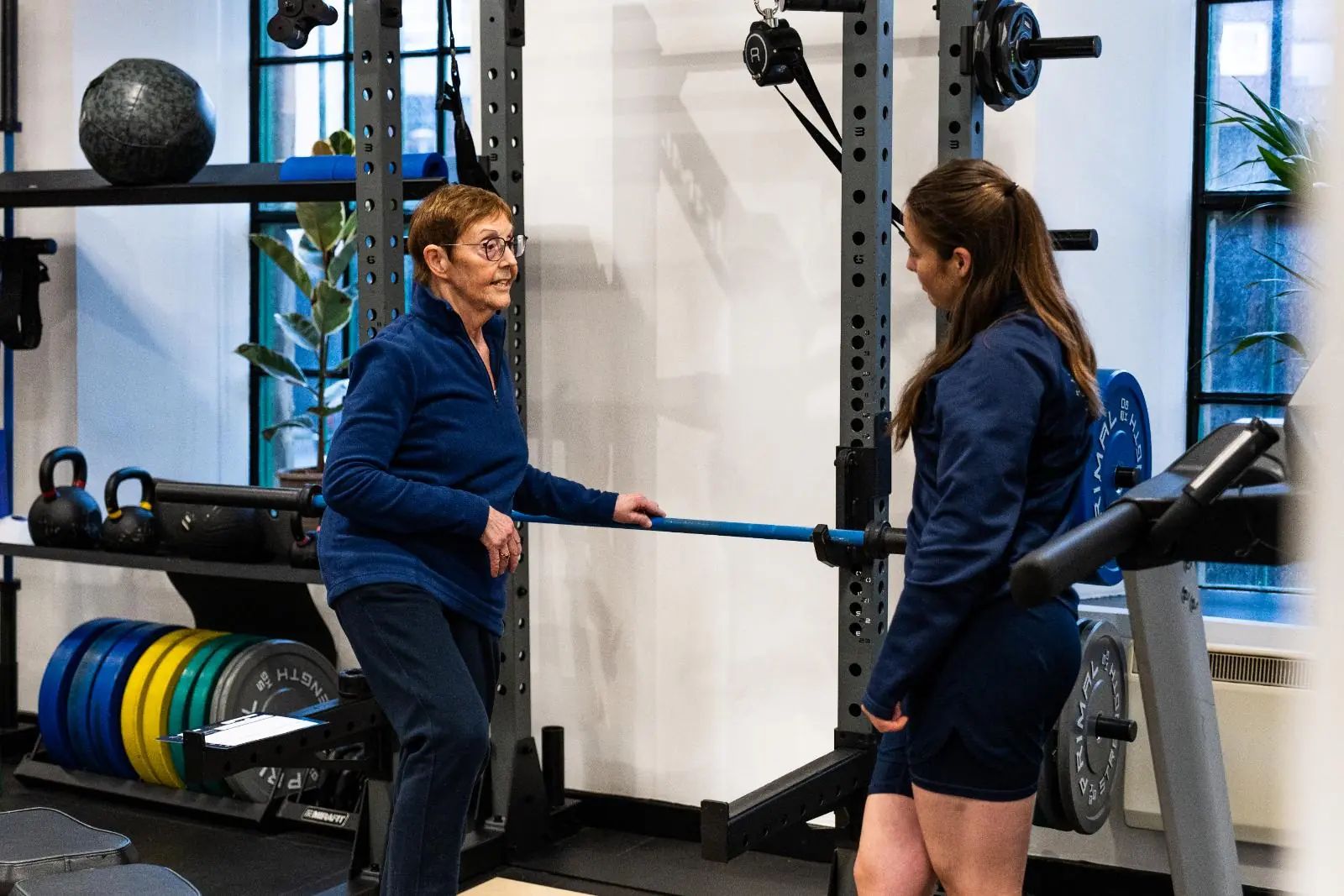
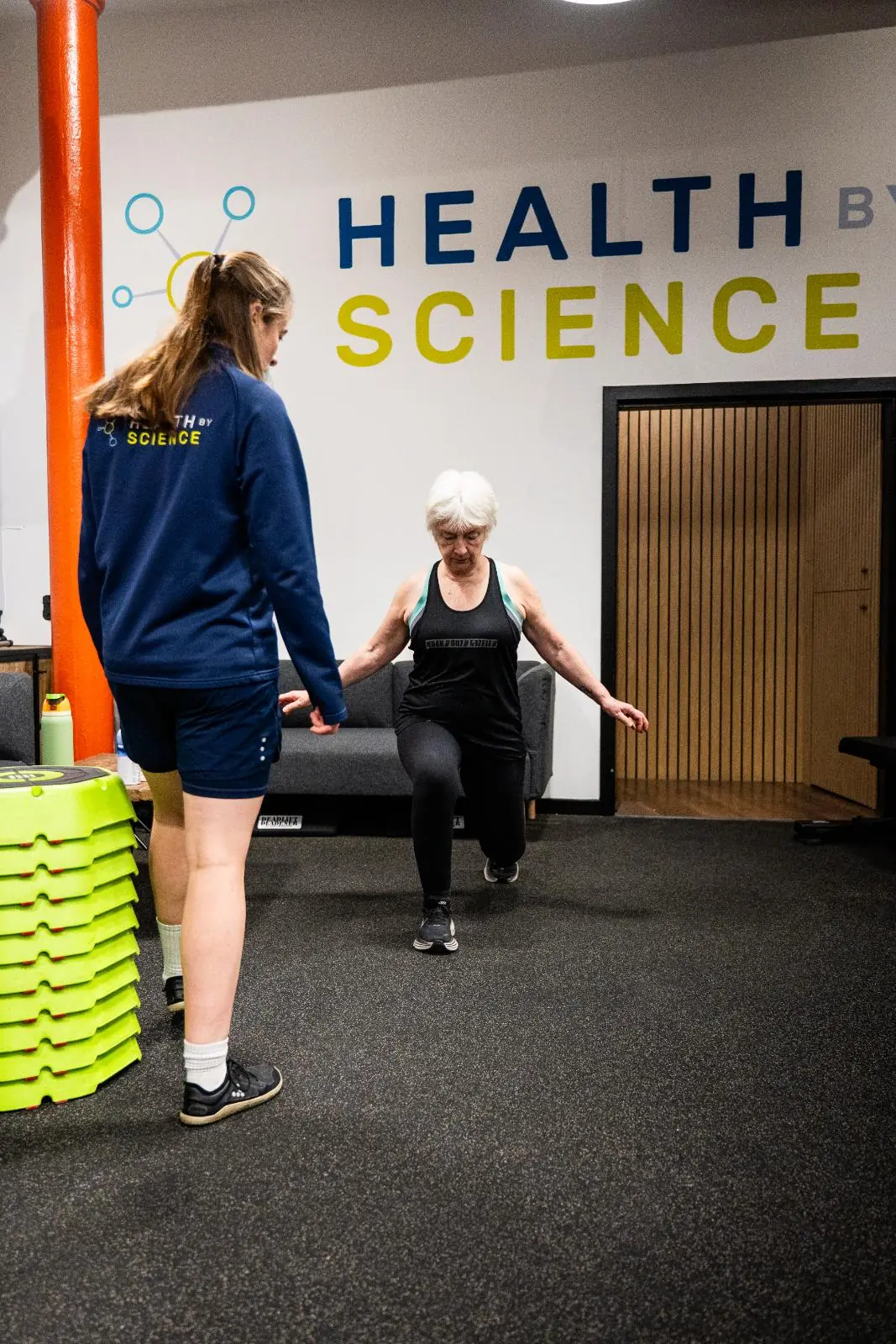
Single-leg strength and controlled stability.
Joints
Progressive exposure through safe ranges.
Power
Light explosive work to preserve reaction speed.
Intelligent.
Structured.
Progressive.
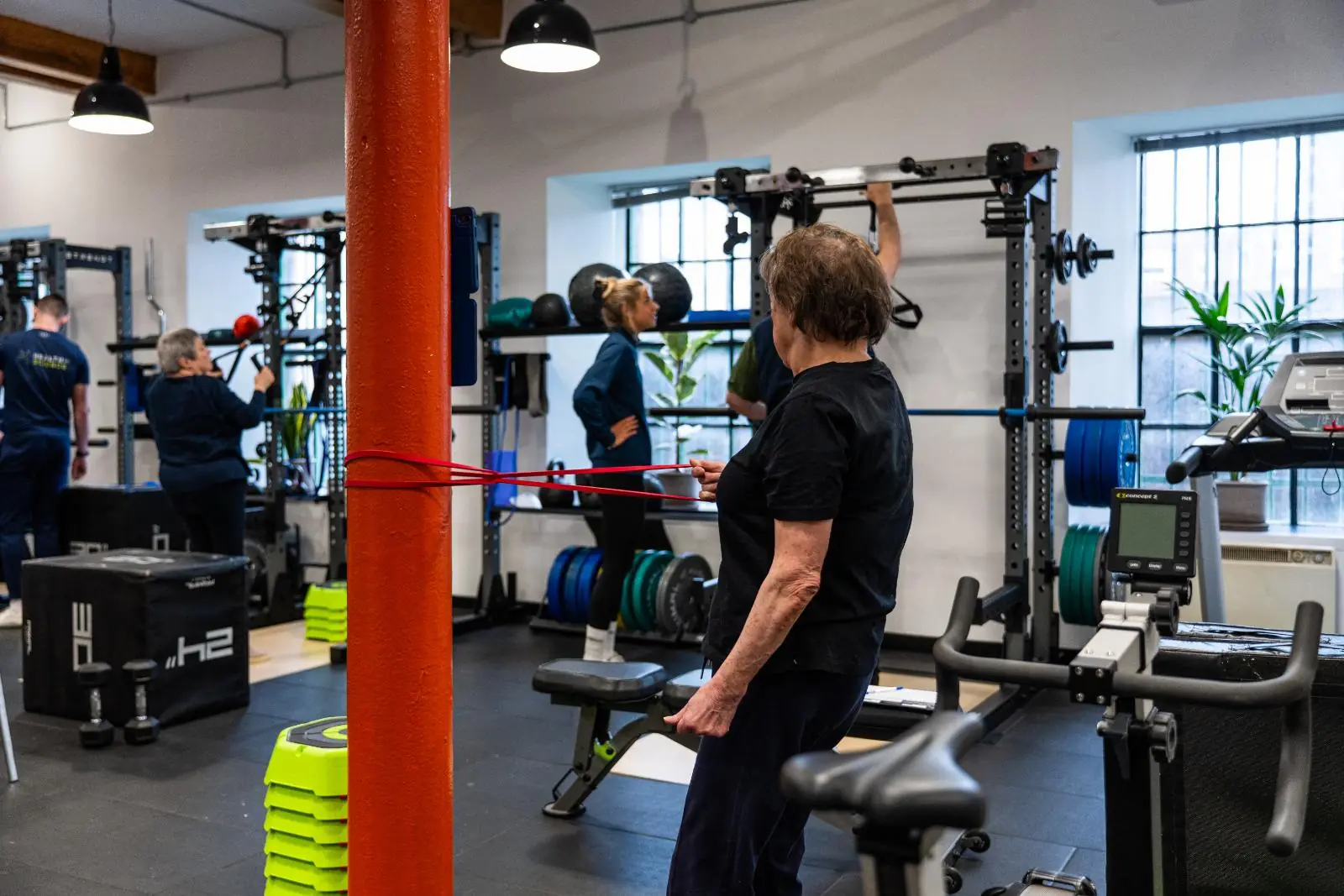
Safe. Progressive. Evidence-led.
You won’t be pushed into heavy lifts on day one.
We build gradually.
Loads increase only when your body is ready.
Technique comes first.
Control comes before intensity.
If you have:
• Previous injuries
• Joint pain
• Reduced bone density
• Long gaps from training
We account for it.
Strength training, when programmed properly, is one of the safest and most protective forms of exercise available.
Our job is to make sure it’s done properly.
Train for the life you want to keep living
You can’t stop ageing.
But you can influence how well you age.
We’ll help you build strength, stamina and mobility that lasts for decades, not just months.
Structured. Progressive. Personalised.
Longevity and Healthy Ageing FAQs
What does ageing well mean?
Ageing well refers to maintaining physical health, independence, and quality of life as you get older. This often involves staying active, maintaining muscle strength, supporting mobility, and developing healthy lifestyle habits that promote long-term wellbeing.
Why is ageing well important?
Ageing well helps people maintain strength, balance, and mobility, which can reduce the risk of falls, injuries, and chronic health conditions. Staying active and maintaining good health habits can also support mental wellbeing and independence later in life.
What are the five pillars of ageing well?
Many health professionals describe ageing well using five key pillars:
- Physical activity and strength
- Good nutrition
- Mental wellbeing
- Social connection
- Preventative healthcare
These areas work together to support long-term health and quality of life.
How can exercise help you age well?
Regular exercise can help maintain:
- Muscle strength
- Bone density
- Balance and coordination
- Joint mobility
- Cardiovascular health
Strength training and regular movement are particularly important for maintaining independence as you get older.
What types of exercise are best for ageing well?
The most beneficial exercise programmes typically include:
- Strength training to maintain muscle and bone health
- Balance exercises to reduce fall risk
- Mobility work to maintain joint function
- Cardiovascular activity such as walking or cycling
A balanced approach helps support overall health and function.
Can strength training help older adults?
Yes. Strength training is one of the most effective ways to maintain muscle mass, improve mobility, and support independence as people age. It can also help reduce the risk of falls and support joint health.
How often should older adults exercise?
Most health guidelines recommend at least:
- 150 minutes of moderate activity per week
- Strength training at least twice per week
- Regular balance and mobility exercises
Consistency is more important than intensity.
What are common challenges as we age?
Some common changes associated with ageing include:
- Loss of muscle mass
- Reduced balance and coordination
- Joint stiffness or pain
- Reduced cardiovascular fitness
Appropriate exercise and lifestyle habits can help slow or reduce many of these changes.
Do you offer training programmes to support ageing well in Edinburgh?
Yes. At Health by Science we provide personalised training programmes in Edinburgh designed to support healthy ageing, focusing on strength, mobility, balance, and long-term health.
Visit our private Personal Training studio in Leith, Edinburgh
Appointment availability
Mon – Fri: 6:00AM – 10:00PM
Sat – Sun: 8:00AM – 8:00PM
By appointment only. Times are subject to appointment availability.